If you look around the food packaging industry today, it is hard to miss how quickly things are shifting away from plastic. Walk into any busy restaurant kitchen, commercial bakery, or food delivery hub, and you will see stacks of silver foil trays ready to be filled. The demand for sustainable, oven-safe, and highly protective packaging has made aluminium foil containers a staple worldwide.

For entrepreneurs and investors looking into this sector, one major question always comes up during the machinery research phase: “If I buy one aluminium foil container machine, am I stuck making just one type of tray?”

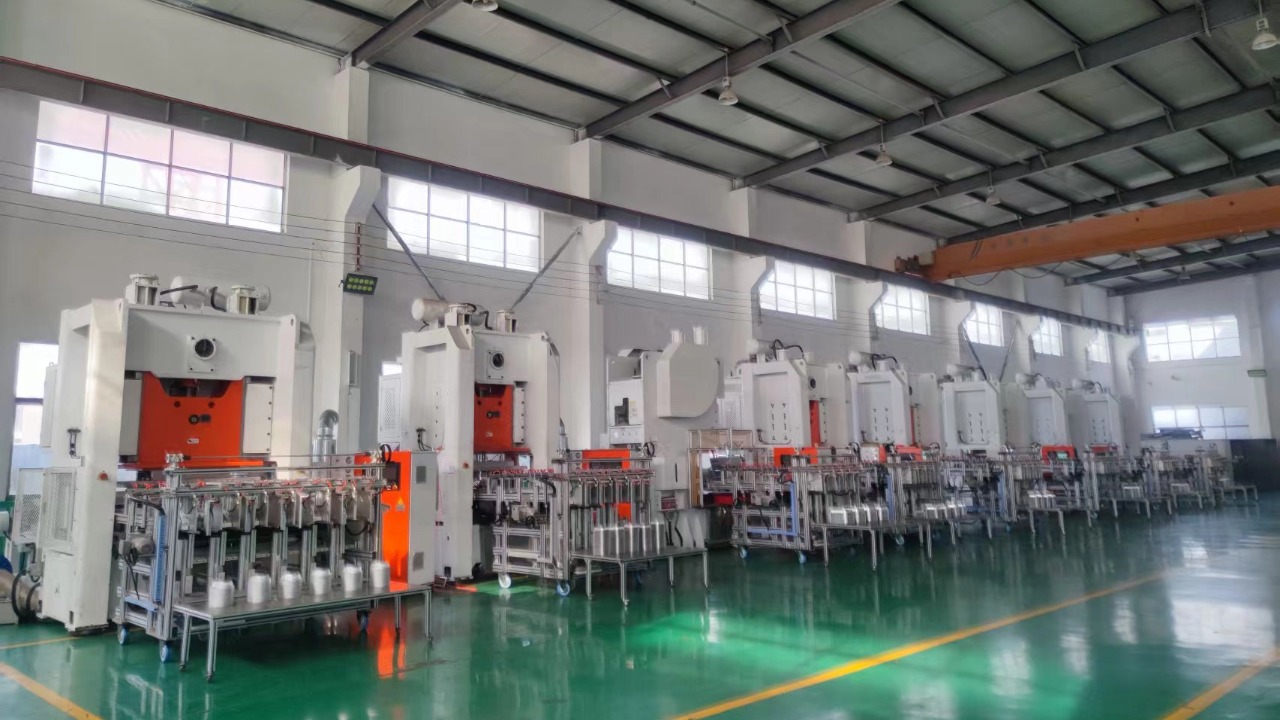
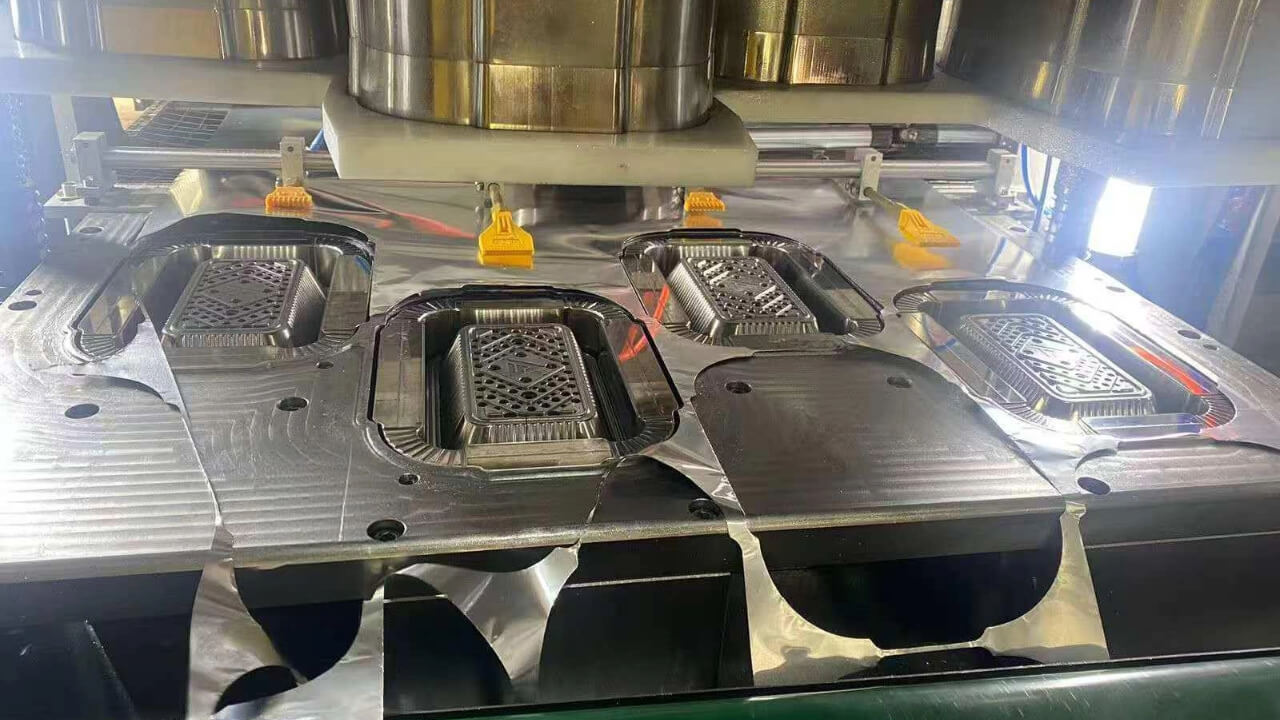
The short answer is no. In fact, the absolute biggest advantage of investing in a modern aluminium foil container machine is its incredible production flexibility. You do not need a separate machine for every single tray size or shape on the market. Instead, a single production line can manufacture a massive variety of packaging products simply by switching out the foil container mold.

From what we’ve seen in many factories, your product diversity—and ultimately your profitability—is completely dictated by your mold selection. Let’s break down the 8 most common and profitable container types you can produce on a standard foil container machine along with the market opportunities they carry.

8 Types of Aluminum Food Containers Produced by Aluminum Foil Container Machine

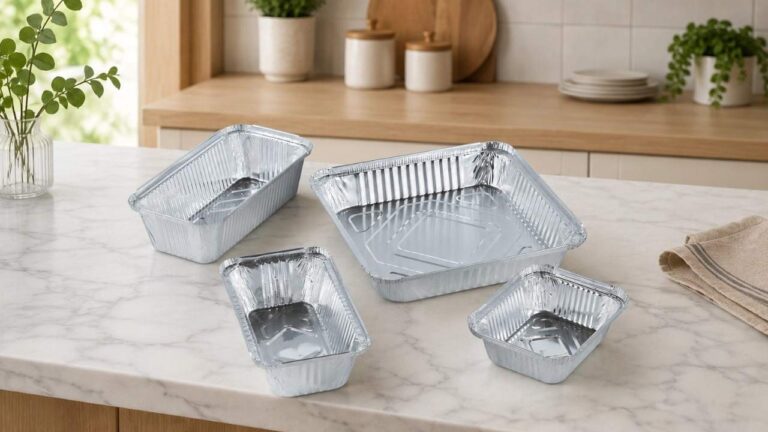
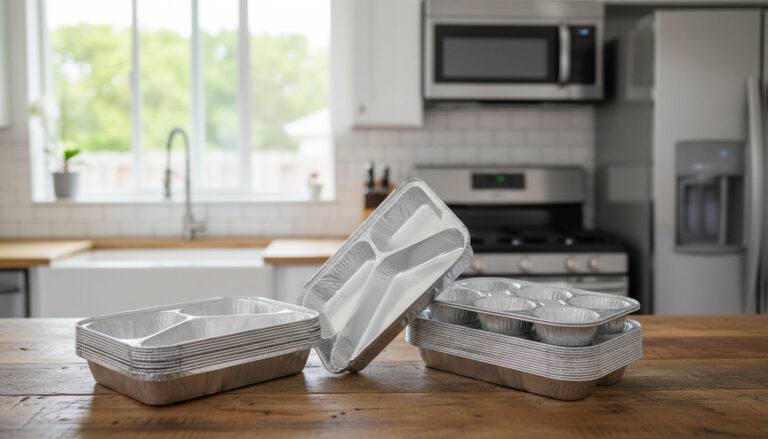
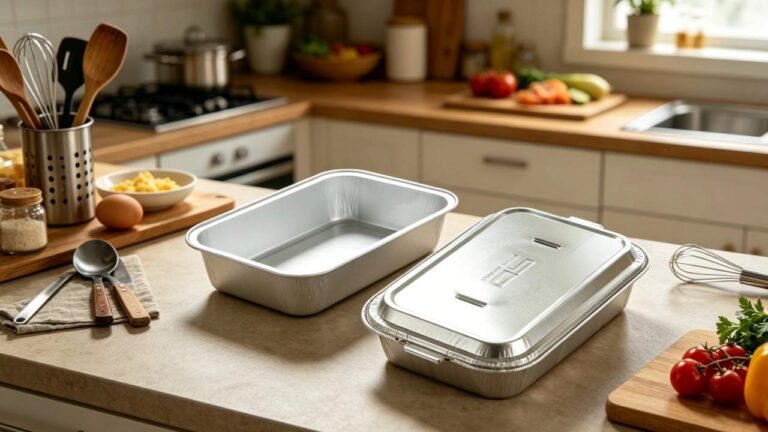
1. Square & Rectangular Aluminum Foil Containers

This is popular shape for any foil container production factory. If you are starting a new plant, this is likely the first mold shape you will install.

In actual food packaging applications, square and rectangular trays are highly valued because they maximize space—both in the oven and inside delivery bags. They are widely used for takeaway meals, commercial bakery sheets, and ready-to-eat food packaging.

  • Common Sizes: Full-size catering trays, half-size steam table pans, and smaller rectangular meal containers like the standard 1LB and 2LB volumes.

  • Market Insights: These are incredibly popular in the US, European, and India markets, where bulk catering and heavy-volume takeaway food delivery drive daily demand.

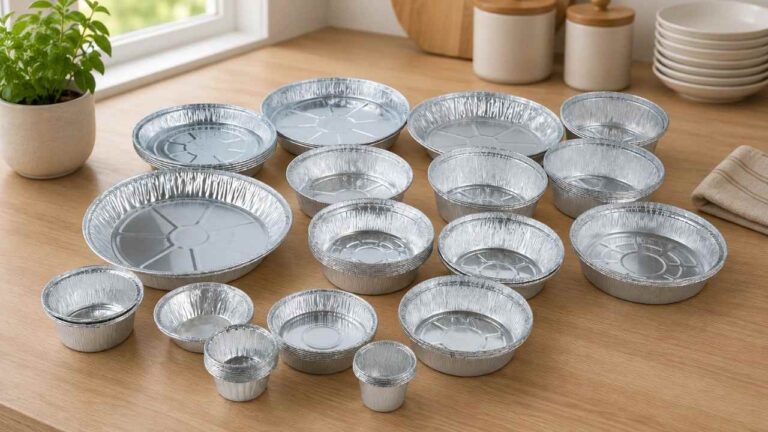
2. Round Aluminum Foil Containers

Round trays are a close second in terms of global production volume. They are heavily utilized in the baking and dessert sectors, as well as for specific take out dishes.

Many takeaway businesses prefer round containers because they distribute heat evenly during cooking and reheating. They are commonly used for cakes, pies, quiches, and deep-dish pizzas, as well as for certain pasta dishes and broiled seafood.

  • Common Sizes: 6-inch, 7-inch, 8-inch, and 9-inch round trays are the industry standards.

  • Production Tip: These 6-7-8-9inch round pan are almost always paired with a matching lid application station, as round trays frequently use clear plastic dome lids or cardboard foil-laminated lids for retail display.

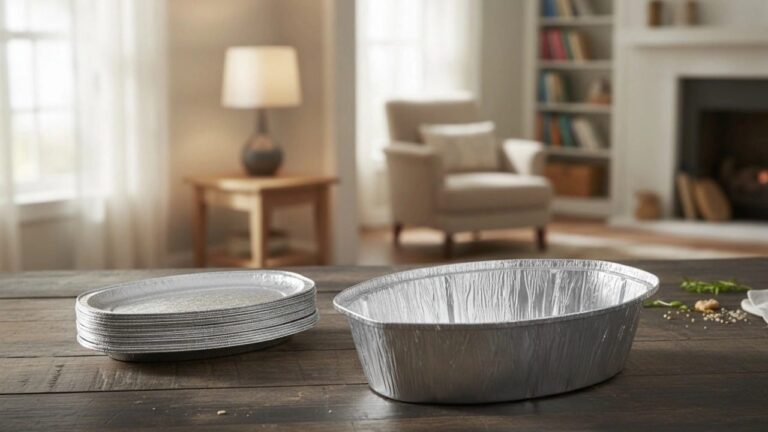
3. Oval Aluminum Foil Containers

While square and round shapes handle everyday meals, oval containers serve a more specialized, premium segment of the catering and restaurant industries.

Because of their elongated shape, oval trays are uniquely suited for whole food presentations. You will see them used constantly for grilled fish, roasted chicken, and premium family-style takeaway meals. They offer a more upscale presentation on a banquet table or a delivery menu than a standard rectangular tray.

4. Multi-Compartment Aluminum Foil Containers

The food delivery business has absolutely exploded over the last few years, and with it, the demand for multi-compartment trays. Nobody wants their crispy chicken getting soggy from the gravy next to it during a 30-minute delivery drive.

These containers feature internal dividers, usually available in 2-compartment or 3-compartment designs, allowing for total meal separation.

  • Primary Applications: Airline meals, institutional school lunches, and high-end takeaway lunch packaging.

  • Market Insights: If your target buyers are commercial catering companies or app-based food delivery hubs, having a multi-compartment mold in your inventory is essential.

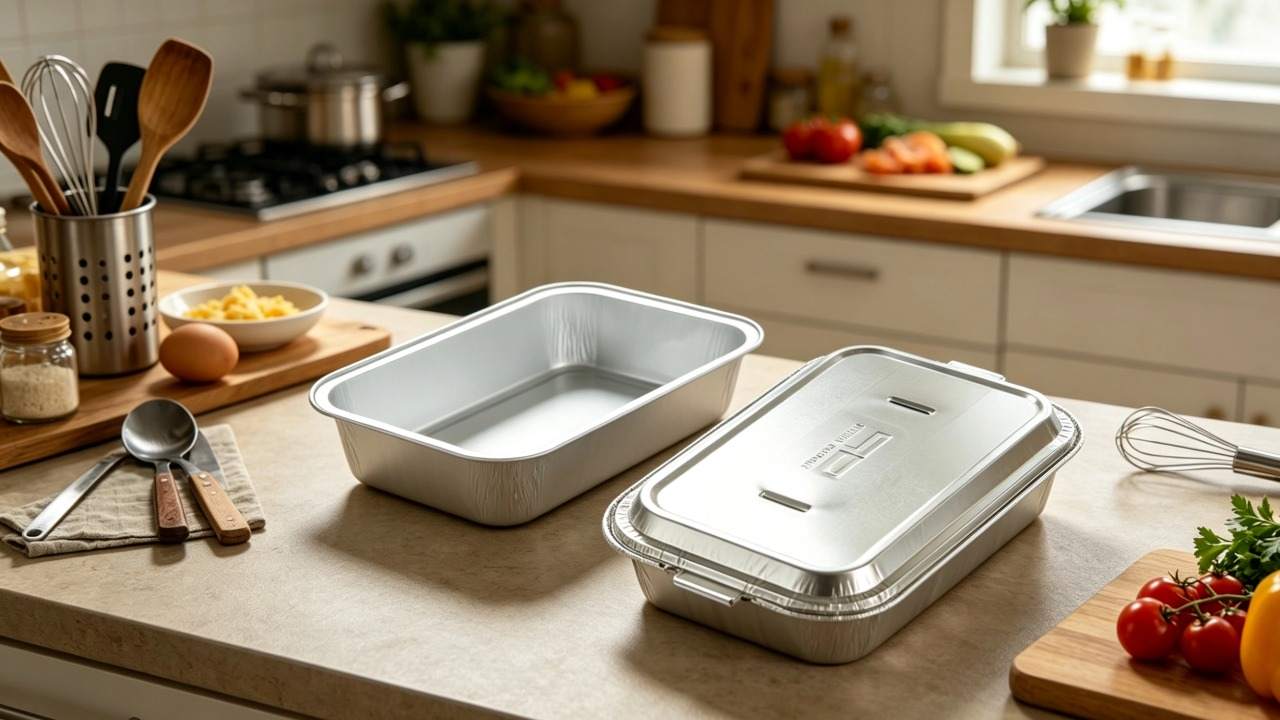
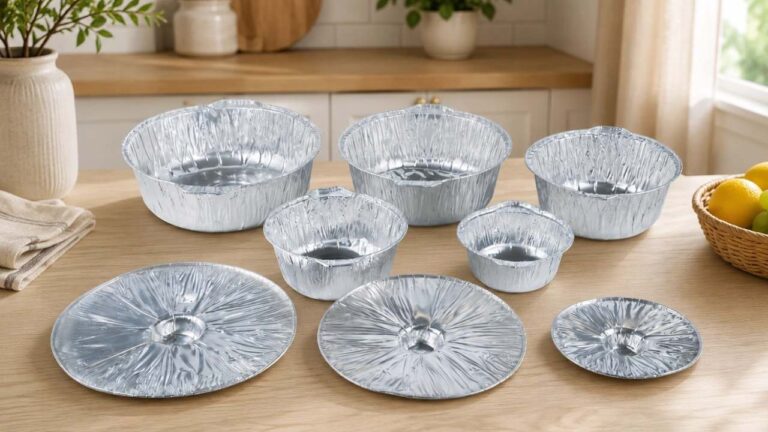
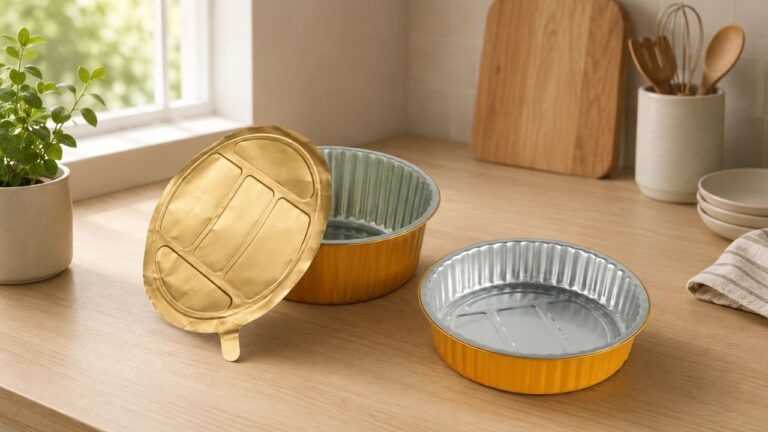
5. Aluminum Foil Pots and Lids

These are much deeper, heavy-duty containers compared to your standard shallow takeout tray. They function exactly like a cooking pot but retain all the disposable, lightweight benefits of aluminum.

Because aluminum has incredible heat resistance, these foil pots can be placed directly over open flames, on charcoal, or inside high-temperature commercial ovens. They are perfect for soups, hot pots, and slow-baked oven dishes.

  • Market Insights: We’ve observed that these deep-drawn foil pots are exceptionally popular in the Iraq market and various Middle Eastern regions where traditional communal slow-cooked meals dominate the food culture.

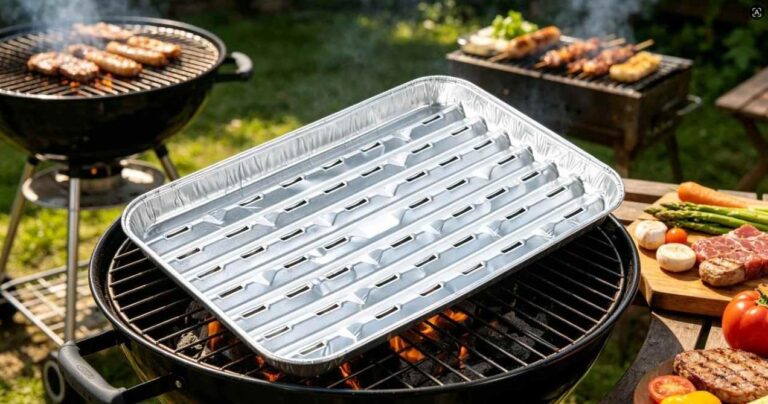
6.BBQ Aluminum Foil Trays

Go into any supermarket during the spring or summer months, and you will see aisles stacked with these. BBQ aluminum foil trays are designed specifically for grilling, outdoor cooking, and tailgating.

They feature distinct ribbed bottoms or perforated designs to help drain fat or let smoke flavor the food while preventing delicate items from falling through the grill grates.

  • Primary Applications: Disposable BBQ trays, heavy-duty grill pans, and roasting liners.

  • Seasonality: This is a highly seasonal product with retail demand spiking sharply during holiday seasons and summer months, making it a great high-margin product to add to your production schedule during peak quarters.

7. Airline Food Containers

Aviation catering operates under incredibly strict parameters. The packaging must be exceptionally lightweight to save fuel, easily stackable in tight galley carts, highly sanitary, and capable of withstanding rapid reheating in convection ovens at 35,000 feet.

Airline food containers are specifically designed to meet these rigid food safety and dimensional requirements. Because the aviation industry consumes millions of these single-use trays weekly, securing a contract with an airline caterer represents a massive, highly stable revenue stream for a foil container production line.

8. Smooth Wall (Wrinkle-Free) Aluminum Containers

If you want to target the premium food packaging market, smooth wall conatiner is where you need to look. Traditional foil trays have wrinkled walls to give the thin material structural rigidity. Smooth wall containers, however, feature completely flat, clean, lacquered sides like high-end ceramic.

They offer a highly aesthetic, premium appearance for retail shelves, often used for luxury ready-meals, gourmet desserts, and high-end butcher meats.

  • Production Note: Manufacturing these requires a special, high-precision mold structure and specific machine configurations (like a more advanced lubrication system and precise press pressure control) to draw the aluminum smoothly without tearing.

How to Choose the Right Products for Your Local Market?

You shouldn’t buy molds just because they are popular globally; your product planning needs to align perfectly with your local region’s food culture and distribution networks.

  • Bakery-Heavy Markets: If your primary local buyers are commercial bakeries, pastry shops, and industrial food brands, focus your initial investment on round pie trays, tart pans, and small rectangular loaf dimensions.

  • Urban Delivery Markets: In dense cities with thriving food delivery apps and corporate catering, prioritize multi-compartment trays and standard 1LB/2LB rectangular takeaway containers.

  • Retail & Supermarket Channels: If you plan to sell bulk packs directly to consumers via supermarkets, prioritize disposable BBQ trays, roasting pans, and seasonal holiday baking sheets.

The Big Picture: Why the Global Demand for Foil Packaging Keeps Growing?

The market for aluminum food containers isn’t just stable—it is actively expanding. Global trends are driving food brands and takeaway businesses to permanently replace plastic packaging with aluminum:

  • The Eco-Friendly Push: Consumers and governments are heavily penalizing single-use plastics. Aluminum is 100% recyclable and can be processed repeatedly without any loss in material quality.

  • The Food Delivery Boom: Digital ordering requires packaging that keeps food hot, handles liquids without leaking, and arrives looking professional.

  • True Kitchen Convenience: Aluminum can go directly from the freezer to the oven, microwave (with proper modern guidelines), or broiler, saving commercial kitchens and home consumers massive amounts of prep and cleanup time.

Maximizing your return on an aluminium foil container machine comes down to understanding the versatility at your disposal. You aren’t just buying a piece of hardware; you are investing in a flexible manufacturing line. By starting with highly popular regional shapes—like classic rectangular or round food packaging containers, you can scale your business to meet any market demand.

For companies planning to enter the food packaging industry, understanding container applications and market demand is very important before selecting machinery and molds.

Share:

Facebook
Twitter
LinkedIn
Email
On Key

Related Posts