From what we’ve seen in customer projects, some of the most profitable factories today were started by investors who came from completely different industries—real estate, trading, or even retail. They didn’t know the difference between a press machine and a die when they started, but they succeeded because they focused on the right fundamentals.
However, “possible” doesn’t mean “easy.” In actual factory operation, there is a steep learning curve. Success depends on how well you plan your budget, the quality of the technical support you choose, and your willingness to understand the “soul” of the machine. Let’s look at what it really takes to start an aluminum foil container business from scratch.
1. Budget Planning: Beyond the Machine Price
Many beginners underestimate the total investment required. They look at the price of an aluminum foil container machine and assume that is their main expense. In real production, the machine is just one piece of the puzzle.
When calculating your packaging machinery investment, you need to account for:
- The full automatic Production Line: The press machine, the decoiler, the stacker, control cabinet and the scrap aspirator.
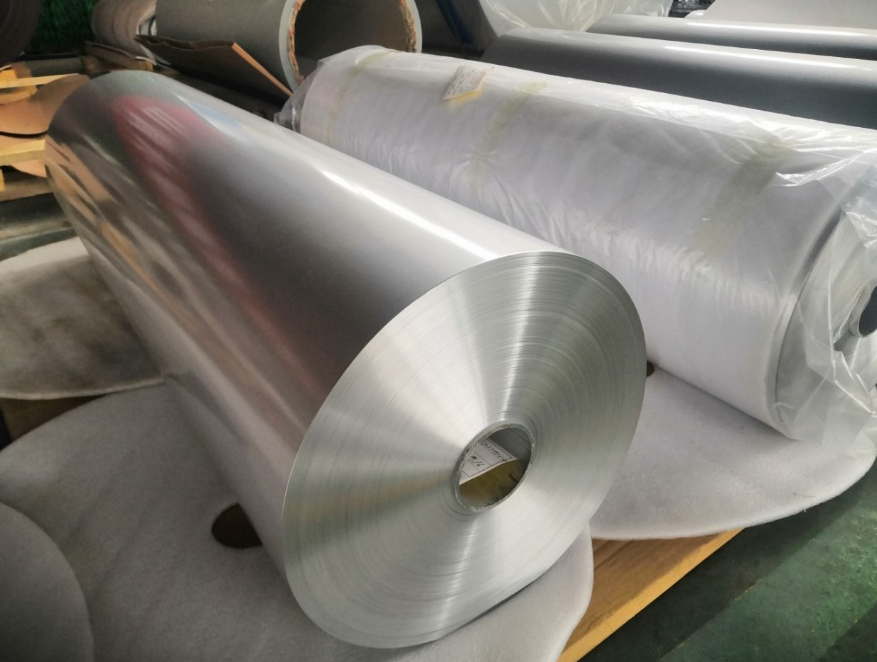
- Raw Materials: You usually need to buy several tons of aluminum foil just to get started.
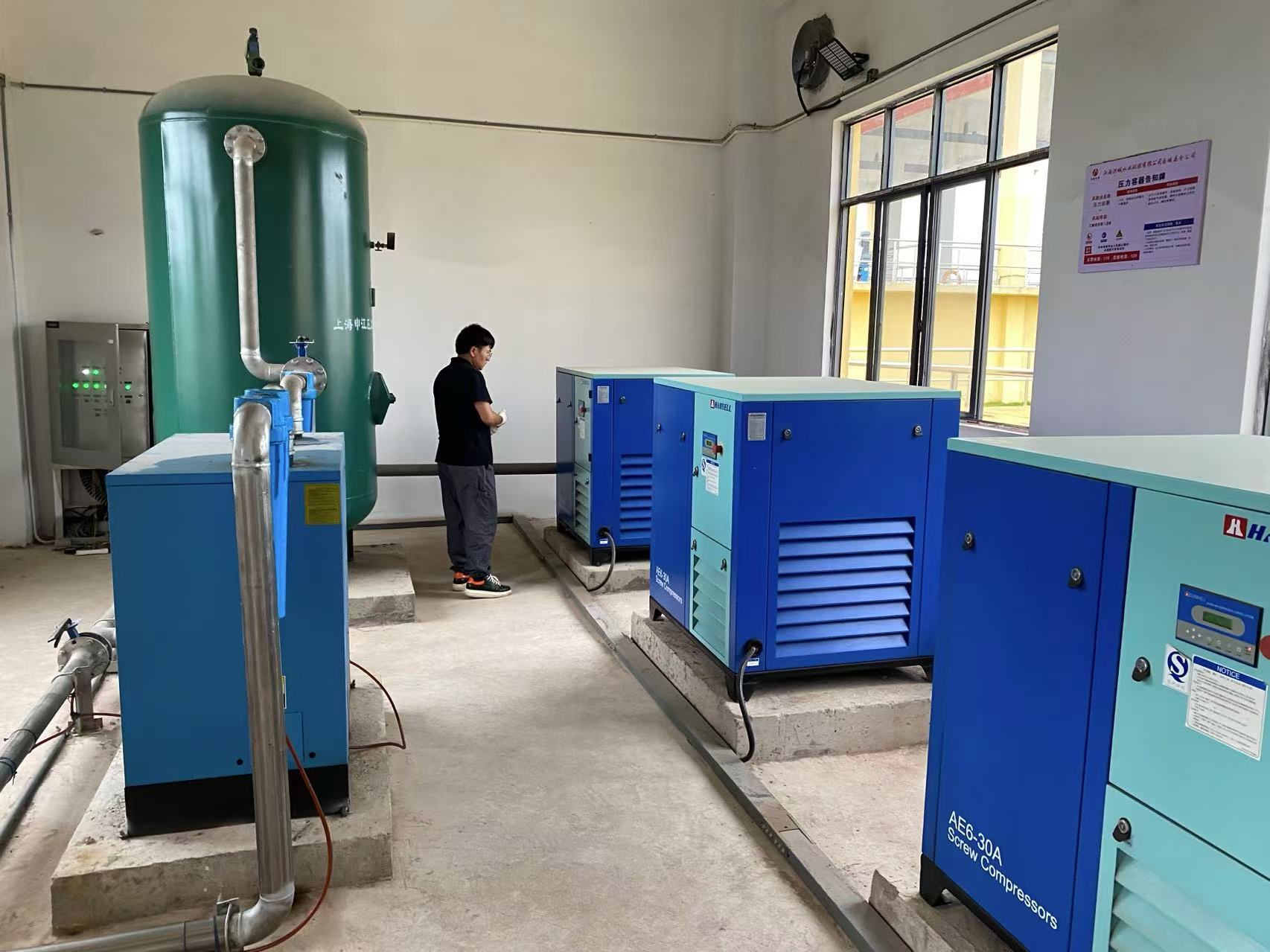
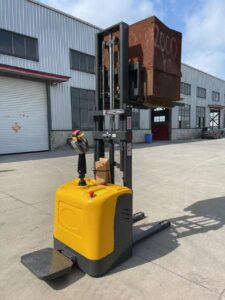
- Auxiliary Equipment: Things like air compressors and forklifts.
- Factory Infrastructure: Proper electrical wiring (industrial 3-phase power), air piping, and flooring.
- Shipping and Installation: Getting the machine to your country and training your technician to know the machine
From what we’ve seen, it’s wise to have a “buffer fund.” If you spend every last cent on the equipment, you’ll struggle when your first batch of aluminum foil raw material arrives and you need to pay for the customs duties or local transport.
2. Choosing Your First Aluminum Foil Container Machine
One of the first technical hurdles is choosing the right press machine. For a beginner, the choices can be confusing. Usually, you’ll be looking at two main types:
H-Type vs C-Type Aluminum Foil Container Machines
C-Type Machine: This is the traditional entry-level choice. It’s cheaper and takes up less space. However, it’s generally less stable and low production capacity than H type.
H-Type Machine: This is the modern industry standard. It’s a closed-frame design that is much more stable. In long-term punching production, an H-type machine reduces vibration, which means your aluminum foil container mold will last much longer and produce fewer defects.
If your budget allows, we almost always recommend starting with an H-type machine. Even though the initial cost is higher, the lower scrap rate and higher production speed mean you’ll recover your investment much faster.
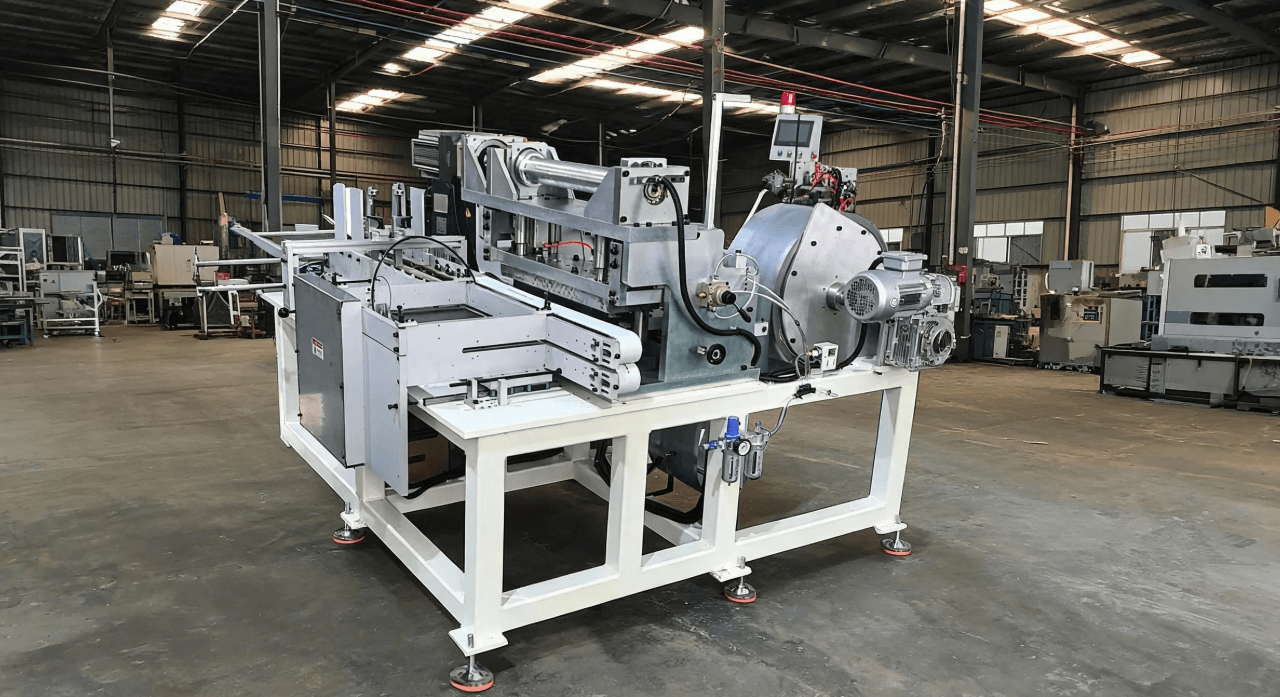
Machine pictures from silverengineer
C Type Aluminum Foil Container Making Machine
H Type Aluminum Foil Container Making Machine
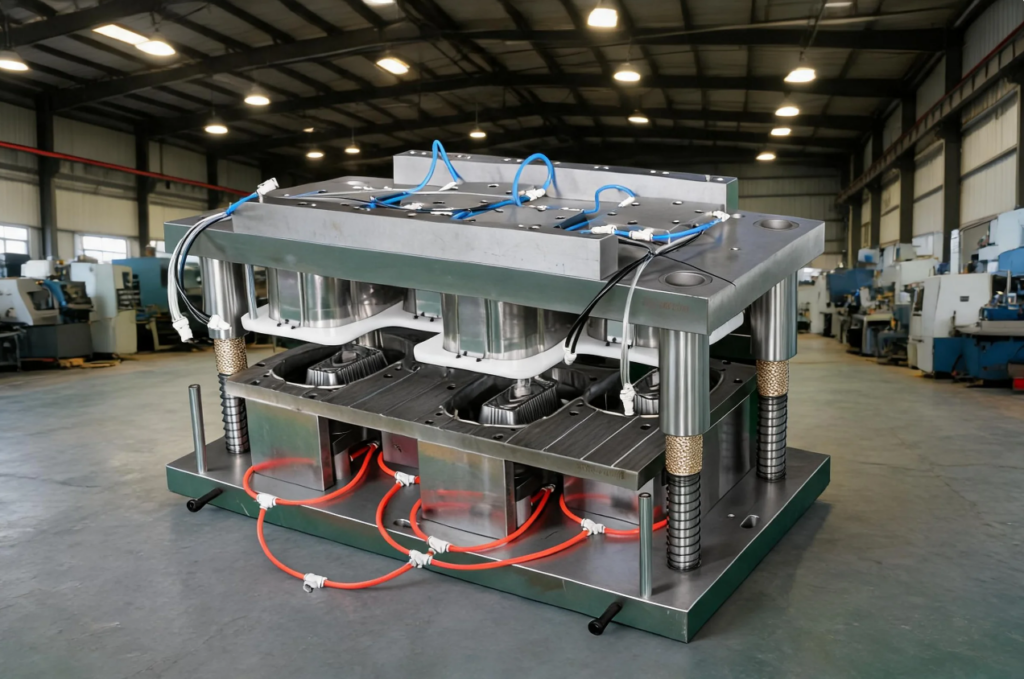
3. The Aluminum Foil Container Factory’s Heart: The Mold
In this business, the machine provides the power, but the mold provides the product. Many beginners think they can save money by buying a cheap machine and a cheap mold. This is a recipe for disaster.
A poorly designed aluminum foil container mold will cause:
- High Scrap Rates: If the cutting edge isn’t perfect, you’ll waste 10-15% more foil than necessary.
- Mold parts fell off: If the mold assembly is not secure, it is very likely to cause components to fall off during high-speed stamping, thereby damaging the entire mold.
- Bad Product Quality: Directly affects the shape of the finished product. The product strength is too soft or prone to deformation.
In actual factory operation, a high-quality mold is the best insurance policy for a beginner. It makes the production process “forgiving,” allowing you to get good results even if your machine settings aren’t 100% perfect.
4. Understanding Your Raw Material
Your biggest ongoing cost will be aluminum foil raw material. Beginners often find this part intimidating because aluminum is a commodity with prices that fluctuate daily based on the market.
Key things to learn:
- Alloy and Temper: Usually, you’ll use 3003 or 8011 alloys in an “H22” or “H24” temper.
- Lubrication: You cannot run dry foil through a mold. You need food-grade lubrication oil. Some foil comes pre-lubricated; others require you to add an oiling system to your foil container production line.
- Cost Calculation: You must learn to calculate the weight of a single container to the second decimal point. In this business, profit is often measured in fractions of a cent per tray.
5. Don't Forget the Auxiliary Equipment
We’ve seen many projects delayed because the owner forgot about the “small stuff.” An aluminum foil container factory cannot run without:
- Air Compressor: The machine’s clutch and the mold’s air-blow system need a constant, stable supply of clean, dry air.
- Forklift : You’ll be moving heavy rolls of foil and loading the raw material to the feeder.And also it used to change the mold.
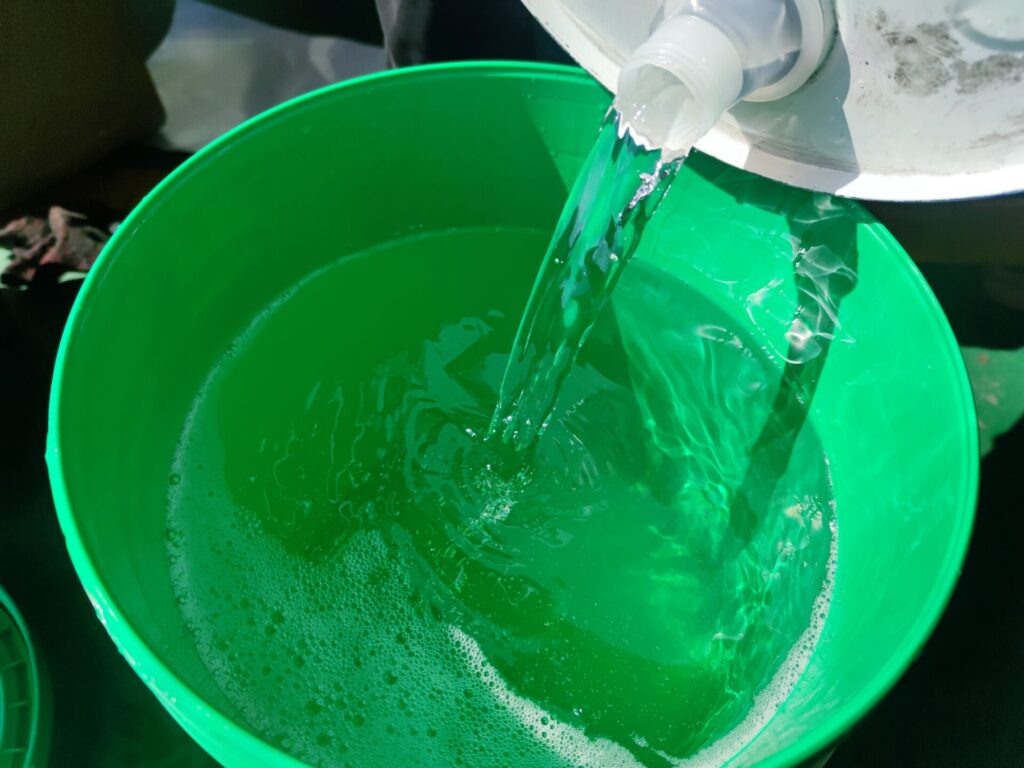
- Lubrication oil:the aluminum foil raw material needed to be lunricated and then pass through a mold to become a foil container.
6. Do You Need Skilled Operators?
You don’t need a PhD to run a foil container production line, but you do need someone who is “mechanically minded.”
Even with a fully automatic machine, an operator needs to:
- Load the heavy foil rolls correctly.
- Monitor the production and maintenance the machine.
- Notice if the sound of the machine changes (which usually signals a problem before it becomes a breakdown).
- Clean the mold daily to remove tiny aluminum scraps.
If you don’t have experience, we recommend hiring at least one technician who has worked with “stamping” or “punching” machines before. They will understand the basics techinical problems.
7. The Importance of After-Sales Support
For a beginner, the relationship with your machinery supplier is your most valuable asset. When a sensor fails or the stacking unit stops timing correctly, you need an engineer who can help you over a video call or send a technician to your site.
Before you buy, ask:
- Do they provide a detailed manual and training videos?
- Are the electrical components (like PLC and touchscreens) from a global brand like Siemens or Schneider? (This makes it easier to find local parts).
- Can they help with the initial packaging machinery investment planning and layout design?
8. Is It Right for You?
So, can you run an aluminum foil container factory with zero experience?
Yes—if you treat it as a technical business and not just a “passive investment.”
Success in this industry comes down to three things: Stable Machinery, High-Precision Molds, and Strict Cost Control. If you partner with an experienced supplier who can guide you through the setup and training, you can skip the “trial and error” phase that causes many beginners to fail.
If you are planning to start an aluminum foil container factory, evaluating the complete production setup—including the hidden costs of auxiliary equipment and raw material logistics—before investment is very important.
Ready to take the first step? Read our deep dive on choosing between H-type and C-type machines or learn more about calculating your foil container production costs.
Frequently Asked Questions (FAQ)
How much space do I need for a small factory?
A single production line usually requires about 100-150 square meters of space, including room for raw material storage and finished goods.
How many containers can one machine produce per day?
It depends on the cavities of mold and the stamping speed of the machine. Basiclly,a 3 cavities mold can produce around 72,000 containers in an 8-hour shift.
Is there a lot of waste in this business?
The “scrap” foil is actually quite valuable. You can typically sell the scrap back to aluminum recyclers for 60-80% of the original material price, which significantly helps your bottom line.
How long does it take to learn how to operate the machine?
With a good supplier and 3-5 days of intensive on-site training, most people can learn the basics of daily operation and simple troubleshooting.