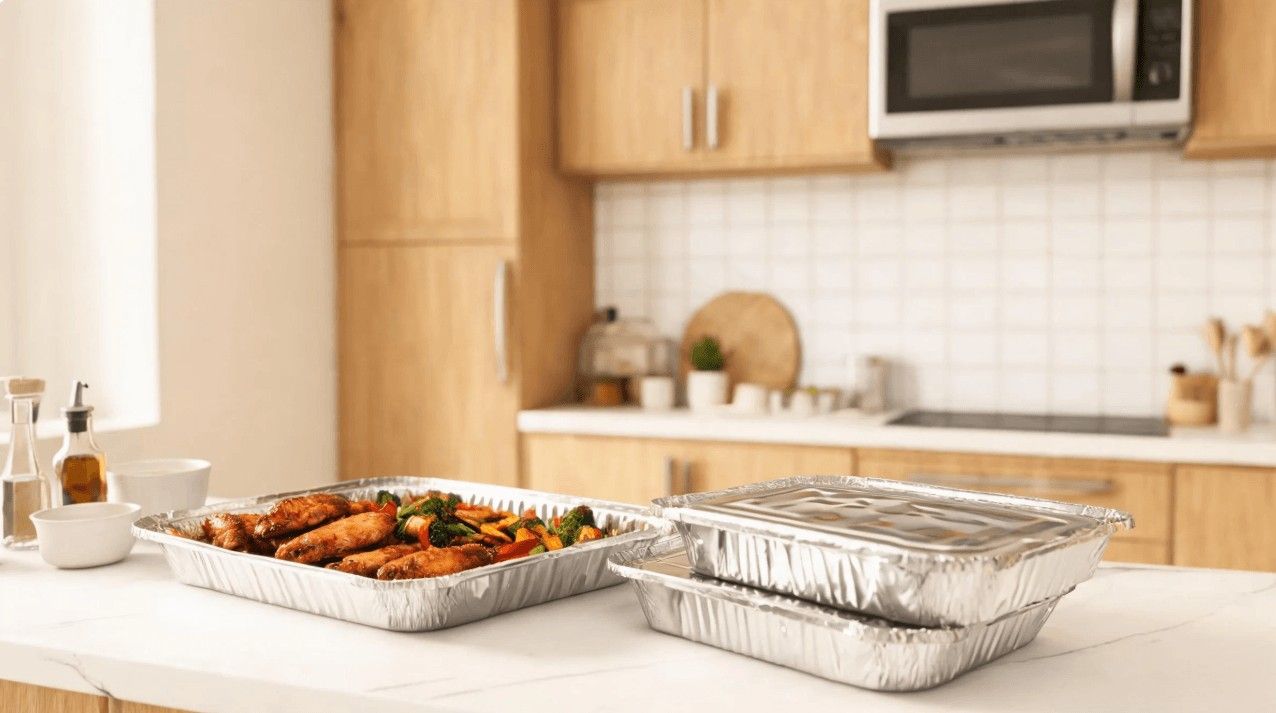
If you walk into any commercial kitchen, supermarket, or food packaging warehouse today, you will see stack upon stack of silver trays. The global food industry relies heavily on aluminum foil containers, and their market share is growing rapidly.
Driven by the explosive growth of food delivery apps and a global shift toward sustainable alternatives to single-use plastics, aluminum foil packaging has become a staple for food businesses worldwide. From what we’ve seen in many food packaging markets, companies are no longer just looking for the cheapest container; they need packaging that preserves food quality, survives rough delivery transits, and handles extreme temperature changes.
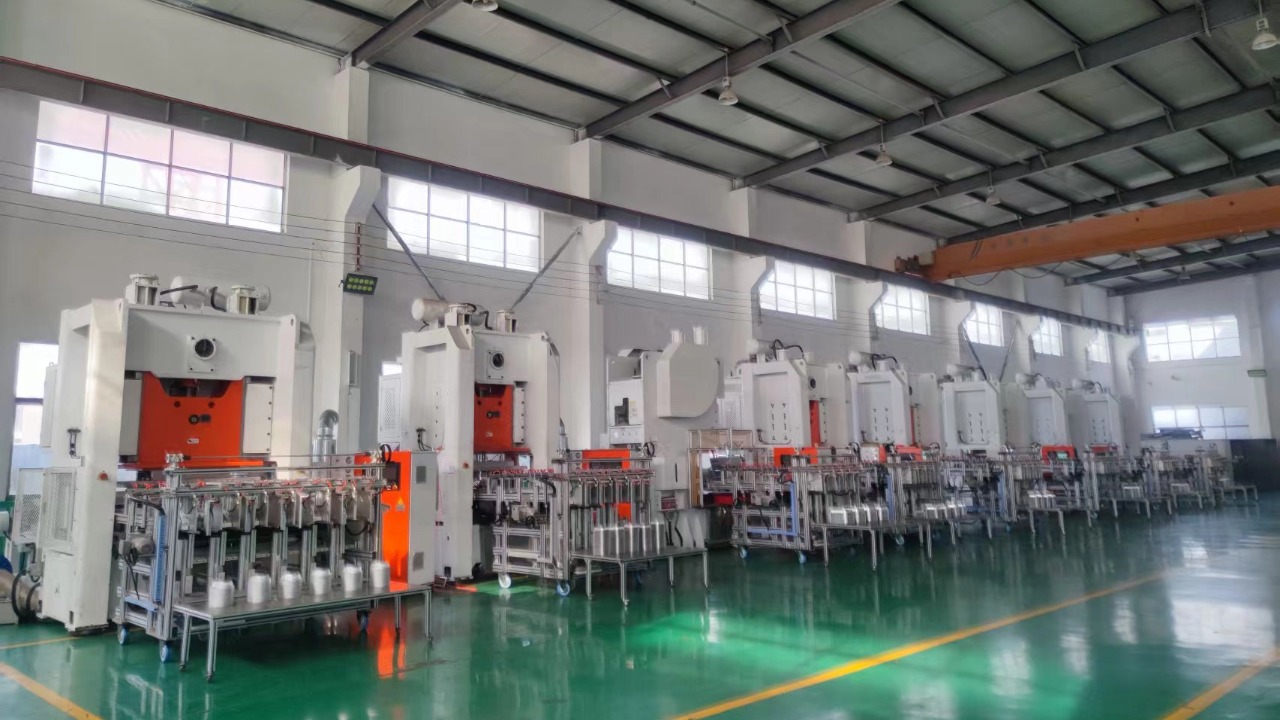
For food packaging distributors, investors, and manufacturers looking to invest in an aluminum foil container machine, understanding exactly where and why these containers are used is the key to capturing market demand. Let’s dive into the practical, real-world applications of these versatile food packaging containers.
1. Takeaway and Food Delivery Packaging
In actual takeaway businesses, the container you choose can make or break the customer experience. No one wants to receive a soggy, lukewarm meal that has leaked all over the delivery bag. This is why takeaway food packaging heavily features aluminum options.
Many food companies prefer aluminum foil containers for hot, heavy dishes like:
Rice meals with heavy gravies or sauces
Stir-fried noodles
Grilled meats and kebabs
Fast food combos
The rigid, strong structure of a well-pressed aluminum container helps it maintain its shape during transportation, even when stacked three or four high in a delivery driver’s thermal bag. Because aluminum conducts and retains heat exceptionally well, the food arrives at the customer’s doorstep tasting like it just came off the grill.
2. Airline Catering Packaging
If you have ever eaten a hot meal on a commercial flight, you have almost certainly handled an aluminum food container. Airline catering is a highly specialized sector with incredibly strict operational demands.
In many export markets supplying major airlines, foil containers are the gold standard for several reasons:
Weight Efficiency: They are incredibly lightweight, which helps airlines minimize fuel consumption.
High Stackability: Space inside an airplane galley is extremely limited; these trays nest tightly together before and after use.
Extreme Heat Resistance: Flight attendants need to reheat hundreds of meals simultaneously in high-speed convection ovens. Aluminum can go from cold storage straight into a hot oven without melting, warping, or releasing harmful chemicals.
3. Bakery and Dessert Packaging
The bakery sector uses a massive volume of foil food trays, particularly round and scalloped designs. Walk into any supermarket bakery section, and you will see fruit pies, tarts, and cakes baked directly inside their retail packaging.
Common Bakery Sizes:
- 6-inch Trays,Ideal for small tarts and personal cakes
- 7-inch Trays,Standard size for family-style desserts
- 8-inch Trays,Used for large pies and quiches
Many of these baking trays are paired with high-clarity plastic dome lids. This allows the bakery to bake the product, let it cool, snap on a lid, and put it directly on the retail shelf. It eliminates the step of transferring delicate baked goods, which reduces labor costs and minimizes product damage.
4. BBQ and Outdoor Cooking Applications
Disposable grill trays and large aluminum BBQ platters are incredibly popular, especially in European and North American markets. During the summer months, supermarket shelves are packed with these high-strength foil trays.
In outdoor cooking and camping scenarios, these containers serve a dual purpose. They are used to marinate and hold raw meats, and then placed directly onto open flames or charcoal grills. They prevent flare-ups from dripping fat, keep the grill clean, and are simply tossed into the recycling bin afterward—eliminating the need for scrubbing greasy grates.
5. Frozen Food and Ready-Meal Packaging
The frozen food aisle has evolved significantly. Today’s consumers want “freezer-to-oven” convenience, and aluminum foil food containers deliver exactly that.
For ready-meal brands and meal prep businesses, aluminum is a top choice because it maintains its structural integrity at sub-zero temperatures. Plastic containers can become brittle and crack when frozen, but aluminum remains perfectly stable. Whether a consumer chooses to defrost and cook their meal in a conventional oven or a toaster oven, the packaging can handle it effortlessly.
Industry Note: While standard foil containers are traditionally used in conventional ovens, the development of smooth wall aluminum containers has opened up compatibility with modern microwaves, provided they are used according to safety guidelines (not touching the microwave walls).
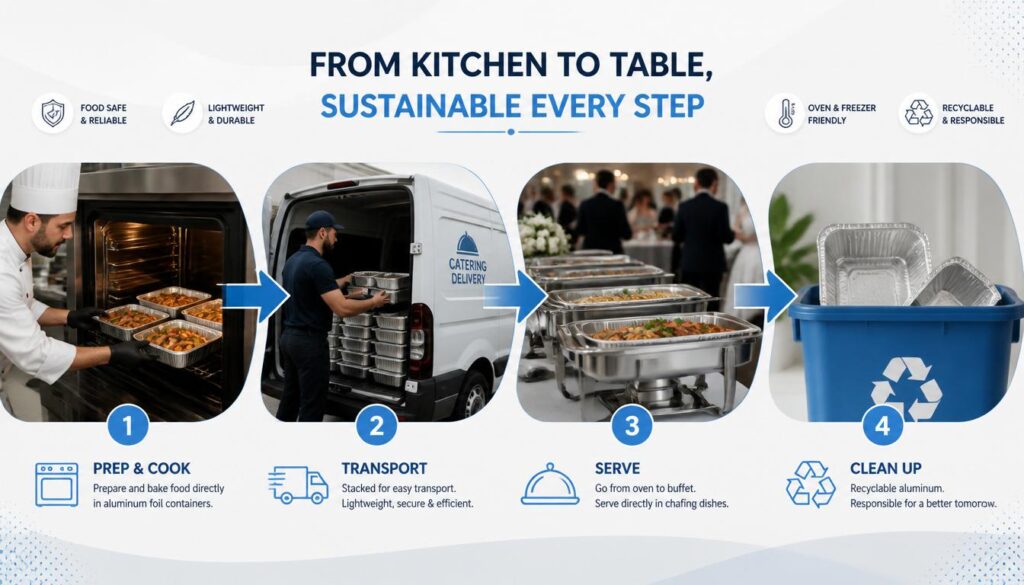
6. Catering and Event Food Packaging
For hotels, catering companies, and event organizers, managing large volumes of food requires heavy-duty solutions. Large-size foil trays (often referred to as full-size or half-size steam table pans) are indispensable for party food and buffet setups.
This workflow saves catering staff hours of dishwashing labor and ensures that transport is lightweight and efficient.
Why the Aluminum Foil Packaging Market Continues to Grow?
From an investment and manufacturing standpoint, the macroeconomic trends heavily favor aluminum.
First, the global food delivery and cloud kitchen market shows no signs of slowing down. Consumers expect restaurant-quality meals at home, requiring high-performing packaging. Second, legislative shifts—such as plastic bans and carbon taxes across Europe, North America, and parts of Asia—are forcing food brands to source sustainable alternatives.
For machinery buyers, this means investing in high-quality mould and production lines is a highly viable, long-term business opportunity. Demand is steady, predictable, and expanding into newer niches like pre-packaged grocery meal kits.
To sum it up, aluminum foil containers are vital components of modern food logistics. Whether it is a local noodle shop keeping deliveries hot, an airline serving passengers at 35,000 feet, or a frozen food manufacturer shipping products nationwide, aluminum satisfies the core demands of durability, thermal efficiency, and environmental sustainability.
For companies exploring food packaging opportunities, understanding different aluminum foil container applications is important before selecting products or machinery. Matching your production capabilities to the specific needs of your local catering, bakery, or delivery markets is the smartest recipe for long-term commercial success.
Share:
Related Posts

You Should Know 5 Common Questions About Aluminum Foil Containers
If you’ve ever considered starting a aluminum foil container business—or even a full aluminum foil container production line—you’ve probably had a long list of questions.
What you should consider when you buy aluminum foil container making machine?
The global demand for aluminum foil food packaging continues growing quickly, especially in takeaway, catering, and ready-meal industries. Because of this, more investors are entering

What Types of Lids Are Commonly Used for Aluminum Foil Containers?
In today’s food packaging industry, aluminum foil container lids are just as important as the containers themselves. Different food products require different lid solutions. Some

What Should You Know About The Aluminum Foil Container Machine Price Before Investing
Walk into any supermarket today, and you’ll see them everywhere—those shiny aluminum foil containers holding takeout meals, bakery items, frozen foods, and catering portions. The