
The global demand for aluminum foil food packaging continues growing quickly, especially in takeaway, catering, and ready-meal industries. Because of this, more investors are entering the foil container factory business than ever before.
But in actual production, buying an aluminum foil container making machine is not just about choosing the cheapest supplier.
From what we’ve seen in many factory setups, machine quality, mold design, raw materials, and after-sales support all directly affect long-term production stability and profitability.
Many first-time buyers focus heavily on machine price at the beginning. Machine price is important, but production efficiency and long-term operating cost are often even more important later.
If you are planning to start an aluminum foil container production business, here are the key things you should seriously consider before investing in equipment.
1. Understand Your Production Goals First
Before you even look at machine brochures, sit down and write down your production goals.
What do you want to produce?
Different products require different molds and machine configurations. Common types include:
Round trays (for pies, takeout meals)
Rectangular containers (for baking, casseroles)
Smooth wall containers (premium look)
Compartment trays (lunch boxes with dividers)
What weight you wanna make for the foil containers?
This is a question many new investors forget to ask themselves. But in actual production, product weight is directly tied to your profitability.
Here’s why: You must understand what your competitors are selling and at what price. Go buy their products. Weigh them. Check the foil thickness. If your finished container ends up heavier than theirs, your raw material cost will be higher – and you may not be able to compete on price.
Once you decide the target weight, you can determine the right aluminum foil thickness. For small food containers (like india 250 450), there is usually a tolerance of about 10 microns. That means you can order raw material within that range – for example, 0.030mm to 0.040mm.
Knowing your target weight also helps you:
- Choose the correct mold (mold thickness and scrap rate)
- Estimate raw material cost per 1,000 containers
From what we’ve seen in many factories, the ones who do this simple competitor weight analysis before buying an aluminum foil container making machine end up with much healthier profit margins. The ones who skip it often struggle to price competitively.
What is your target daily or monthly output?
Are you supplying local restaurants only, or do you plan to export? A small semi-automatic line might be enough for a local market. But if you are supplying large food packaging distributors, you will need a fully automatic foil container production line with high prodcution capacity.
Many first-time buyers overlook this step. They buy a machine that is too small, then struggle to meet orders. Or they buy a huge automatic line that sits idle most of the day because they don’t have enough demand.
Practical advice: Start with realistic volume projections for the first 12–18 months, then add a 20–30% buffer for growth.
2. Choose Between H-Type and C-Type Machines
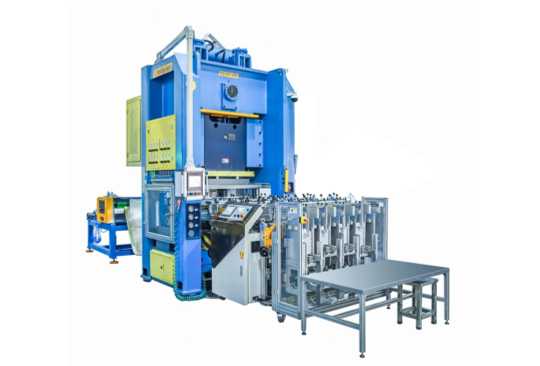
H-Type Foil Container Machines
H-type machines are usually:
- Structure more stable
- Standard 4 cavities make lower scrap rate
- Suitable for larger molds
- Better for high-speed production
- Stronger for long-term industrial use
From what we’ve seen in many large factories, H-type machines are often preferred for higher-capacity production lines.
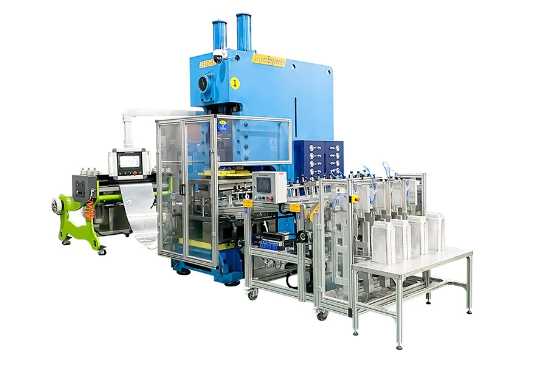
C-Type Foil Container Machines
C-type machines are usually:
- More compact
- Lower cost
- Easier for smaller workshops
- Suitable for startup factories
Many first-time investors choose C-type machines because the initial investment is lower.However, production volume should always match machine selection.If your long-term production target is large-scale output, investing in a more stable machine at the beginning may reduce future upgrade costs.
3. Mold Quality Is Extremely Important
This is where many buyers make a costly mistake. They focus 90% of their attention on the aluminum foil container making machine price and forget about the mold.
The mold determines final product quality. A poor mold will cause:
Scratches and wrinkles on the container surface
Unstable production work
Bad edge cutting (uneven rims)
Higher scrap rates , which kills your profit.
What to check in a mold?
Steel quality – Hardened tool steel lasts longer.
Surface finish – Polished surfaces reduce foil sticking.
Replaceable spare parts – Cutting plates, male and female die, and springs should be available as standard items.
Mold lifespan – A good mold can produce millions of containers before major maintenance.
Many buyers ignore mold maintenance too. Even a good mold needs regular cleaning and lubrication. In a busy foil container factory, we recommend keeping a spare cutting plate on hand at all times.
4. Consider Raw Material and Foil Thickness
Different markets use different foil thicknesses. For example:
Lightweight foil (0.030–0.045 mm) – Common for small takeout trays.
Standard food foil (0.050–0.070 mm) – Most baking and food storage containers
Heavy-duty foil (0.080–0.120 mm) – Large roasting pans and industrial trays
Your aluminum foil container machine and mold must match the foil thickness you plan to use. Some machines handle a wide range; others are calibrated for a narrow range.
Raw material cost affects profitability
Aluminum foil raw material is often the biggest cost in your production. If your machine wastes 5–8% as scrap due to poor setup or mold issues, you are losing real money every day.
From actual production experience, we’ve seen factories reduce scrap from 8% down to 2% simply by upgrading their mold and properly set up the machine. That’s a direct improvement to the bottom line.
5. Automation Level and Production Efficiency
Aluminum foil container production lines come in different automation levels.
Fully automatic foil container machines
Include auto stacking and scrap baling
One operator can manage 2–3 machines
Higher upfront cost, lower labor cost
Semi-automatic or manual production lines
Lower initial investment
Requires more manual handling (collect and stacking containers)
Better for very small production or frequent mold changes
Key automation features to look for:
Stacker system – Automatically counts and stacks finished containers. Saves labor and prevents damage.
Scrap baler machine – Compress aluminum scrap into a compact block. Keeps your factory clean.
Auto lubrication system – Reduces wear on moving parts and extends machine life.
Practical advice: Labor costs are rising everywhere. If you plan to run the factory for more than two years, a fully automatic aluminum foil container making machine often pays for itself through labor savings alone.
6. Auxiliary Equipment Matters Too
Many first-time buyers calculate their packaging machinery investment solely around the cost of the main press machine and the mold. They completely overlook the vital auxiliary equipment required to make the workshop functional.
Important Note: Without the proper supporting equipment, your primary production machine cannot run. You must budget for these systems from day one.
Industrial Air Compressor: Foil container machines rely heavily on high-pressure pneumatic systems to feed the foil, activate internal mold ejectors, and blow finished products onto the stacker conveyor. You will need a reliable, stable screw-type air compressor equipped with a refrigerated air dryer and a large storage tank to ensure clean, moisture-free air.
Scrap Baler: Loose aluminum scrap takes up massive amounts of storage space. A dedicated hydraulic scrap baler compresses the skeleton waste into dense, manageable blocks, reducing your warehouse footprint and allowing you to command a better price from metal recycling traders.
Mold Lifting Forklift: Aluminum foil container molds are incredibly heavy, often weighing anywhere from 700kg to over a ton. You cannot safely load or change these moulds by hand. a heavy-duty forklift is must.
7. Spare Parts and Maintenance Support
Every production line will eventually require maintenance.
That’s why spare parts availability is extremely important.
Common wear parts include:
- cutting plates
- mould pistons
- pneumatic valves
- electronic sensors
- mould springs
- mould cylinders
Unexpected downtime can stop production completely.In many factories, production losses caused by machine stoppages are often much higher than the cost of spare parts themselves.Because of this, experienced factories usually prepare common spare parts in advance.
Machine suppliers with stable spare parts support often create fewer long-term operational problems.
8. After-Sales Service and Technical Support
Machine price is important, but after-sales support often becomes more important within the first three months of operation.
What good support looks like:
Installation help – Someone helps you set up the machine, connect power and air, and run test cycles.
Operator training – Your staff learns how to change molds, adjust settings, and clear jams.
Remote troubleshooting – A video call with an engineer can solve many problems in minutes.
Engineering support for new products – When you want to produce a new container shape, can the supplier help with mold design?
We have seen projects where a slightly more expensive machine from a responsive supplier ended up being cheaper overall than a “bargain” machine from a supplier who disappeared after delivery.
Communication speed matters. When your production line is down, waiting 48 hours for an email reply is not acceptable.
9. Factory Layout and Power Requirements
Before the machine arrives, plan your workshop layout.
Things to check:
Machine dimensions – Include space for foil roll loading (you need a clear path for forklift or roll cart).
Electrical requirements – Voltage, phase, and amperage. Some Chinese machines use 380V/50Hz. Make sure your factory has the right supply or a transformer.
Air supply – Compressor should be located with proper ventilation and pipe size.
Material storage – Aluminum foil rolls are large and should be stored in a dry, clean area away from dust.
Finished goods area – Stacked containers take up space. Plan your packing and palletizing zone.
One common mistake is placing the machine too close to a wall. Then you cannot access the back for maintenance or change the foil roll easily. Give yourself at least 1 meter on all sides.
10. Think About Long-Term Product Planning
The aluminum foil container market is not standing still. New shapes, embossed designs, and eco-friendly packaging trends emerge every year.
A good aluminum foil container making machine should be flexible. By changing molds, the same machine can produce many different products:
Standard smooth-wall containers
Embossed or patterned containers
Holed barbecue pan
Compartment plates
Common Mistakes First-Time Buyers Make: A Quick Checklist
To summarize, let’s look at the most frequent missteps new investors make when entering the foil packaging industry. Use this practical checklist to safeguard your capital:
- Choosing machines only based on a low price: You almost always pay the difference later in broken components, wasted material, and lost production hours.
- Ignoring mold quality: Saving money on the mould only to waste it on high scrap material rates is a losing equation. Prioritize premium steel and expert engineering work.
- Underestimating raw material costs: Ensure you have enough working capital to purchase high-quality foil coils in bulk to maximize your raw material margins.
- No spare parts preparation: Failing to stock basic wear-and-tear items can result in weeks of needless downtime over a simple broken valve or sensor.
- Poor production planning: Neglecting to verify three-phase power availability, floor reinforcement, or auxiliary equipment needs before the machine arrives.
Conclusion
Buying an aluminum foil container making machine is a long-term investment, not a quick purchase. Machine quality, mold quality, automation level, spare parts availability, and technical support all matter.
From what we’ve seen in many factory projects, the most successful investors are not the ones who find the cheapest machine. They are the ones who ask the right questions before buying, plan their factory layout carefully, and build a relationship with a reliable machinery supplier.
If you are entering the food packaging machinery industry, take your time. Visit a running factory if possible. Talk to machine operators, not just salespeople. And remember – the mold is at least as important as the press.
For companies planning to enter the foil container industry, purchasing the right machine is one of the biggest investments you’ll make. Before making a final decision, explore our The Complete Guide to Starting an Aluminum Foil Container Manufacturing Business to understand the complete factory setup process.
Share:
Related Posts
Common Specs of Interfolded Aluminum Foil Sheets: Length, Width, Folding Types & Pattern
Interfolded Aluminum foil sheets are widely used in food-service, household, catering, takeaway, and packaging applications where pre-cut and folded foil sheets offer a convenient alternative
Aluminum Foil Sheet vs Foil Roll: Which One Is Right for Your Production
When sourcing aluminum foil, buyers often need to choose between aluminum foil sheets and aluminum foil rolls. Although both use aluminum foil as the basic
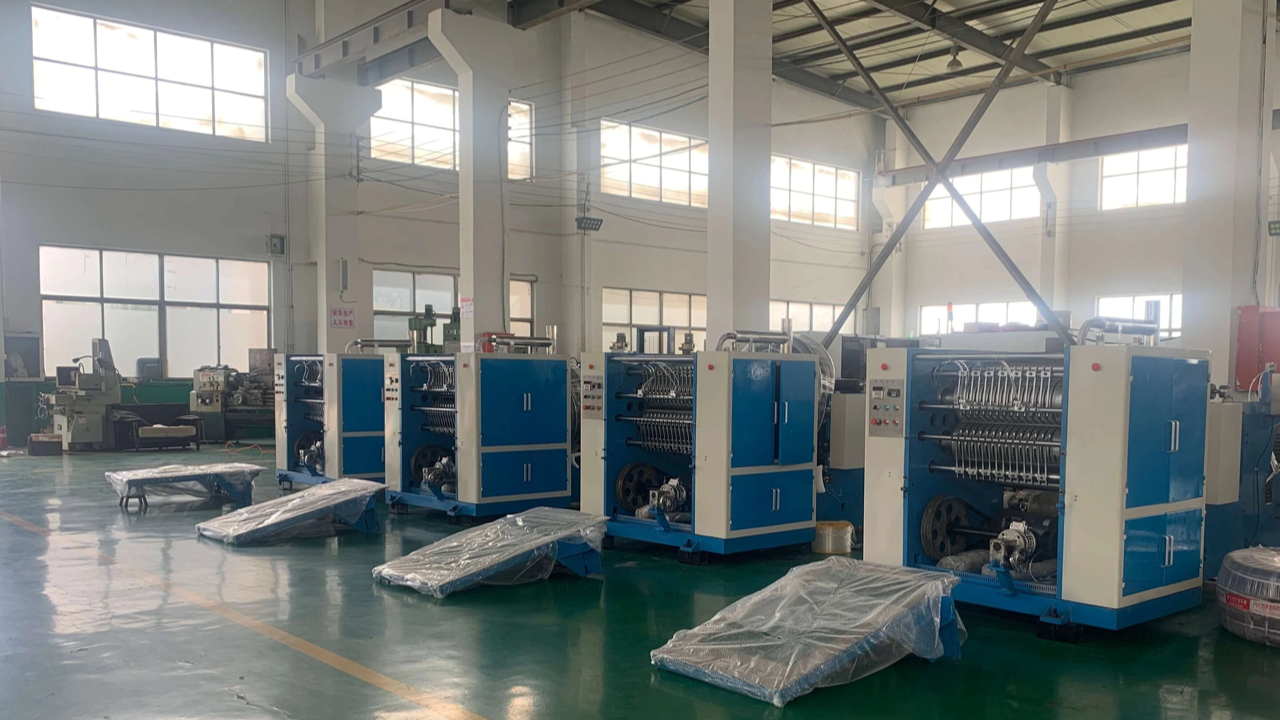
How to Make Aluminum Foil Interleaving Sheets – Machine and Production Guide
Starting an aluminum foil interleaving sheet production line can be a practical opportunity for manufacturers and distributors supplying foodservice, restaurants, bakeries, catering companies, and household
Household Aluminum Foil Seasonal Demand: BBQ, Thanksgiving & Holiday Trends
Household aluminum foil is a year-round product, but demand is not always the same throughout the year. Cooking habits, outdoor grilling, major holidays, retail promotions,
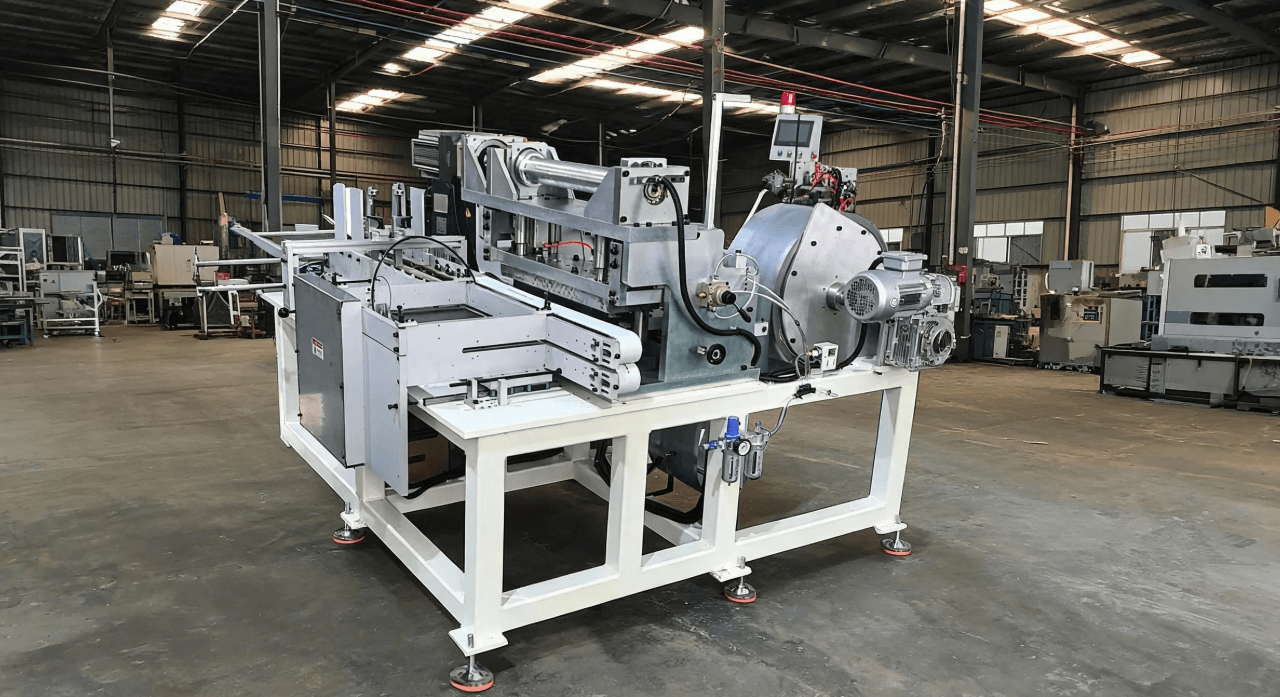
Tinplate Saw Blade Binding Machine: Complete Guide for Color Box Packaging
When you buy a box of household aluminum foil or cling film, you may notice a small metal cutting blade fixed to one edge of