
When most investors think about launching a foil packaging business, their minds immediately go to standard takeaway boxes or standard kitchen rolls. It makes sense because those are the items we see every single day. But in the actual manufacturing world, focusing entirely on standard food containers means entering a highly competitive, low-margin race to the bottom.
What many investors overlook is that the true profitability of aluminum foil products often lies hidden in specialized niche industries. From what we’ve seen in many export markets, some niche foil products actually have very stable demand and far higher profit margins than basic catering trays.
If you are planning an aluminum foil production project or looking to diversify your packaging machinery capabilities, expanding your horizon beyond traditional food packaging is a smart move. Let’s look into six growing, highly profitable niche markets for aluminum foil products that you might not have considered yet.
6 High-Margin Niche Markets for Aluminum Foil Products
1. The Rapidly Growing Pet Food Packaging Market
The global pet economy is booming, and pet owners are increasingly treating their cats and dogs like family members. This cultural shift has created a massive surge in demand for premium wet pet food packaging.
Unlike dry kibble that comes in large plastic bags, high-end wet food requires small, single-serving portions that retain maximum freshness and scent. Small aluminum foil packaging trays—often paired with a peelable aluminum heat-seal lid—are the gold standard for this application.
Why it works: Aluminum provides a 100% total barrier against oxygen, light, and moisture, which is essential for preserving meat without heavy chemical preservatives.
Market Opportunity: The demand for premium cat food and dog food trays is growing year-over-year. If you already run a food packaging business, adding a small, high-precision pet tray mold to your production line opens doors to highly lucrative supply contracts with local pet food brands.

2. BBQ, Grilling, and Outdoor Cooking Products
While this technically falls under food, the commercial distribution channel is completely different from restaurant takeaway. The outdoor cooking market relies heavily on thick, disposable BBQ trays, grill pans, and specialized camping food containers.
Seasonal Demands: This market experiences explosive seasonal demand, particularly in Europe, the US, and Australia, where grilling and camping are cultural staples during spring and summer months.
Retail Placement: Supermarkets and butcher shops use these heavy-duty foil trays for pre-packed, ready-to-grill marinated meats. Consumers love them because they can throw the tray straight onto a charcoal grill and toss it when done, eliminating messy cleanup.

3. The Professional Salon Hair Foil Market
Walk into any high-end hair salon, and you will see stylists using sheet after sheet of aluminum foil for hair coloring, highlights, and bleaching. This is a massive retail and B2B consumer market that operates completely independently of the food packaging sector.
Many machinery buyers overlook this niche market, but hair foil requires specific manufacturing variations:
Embossed Hair Foil: Features a distinct textured pattern that prevents the foil from slipping out of the stylist’s hands or off the hair during chemical processing.
Pre-cut Foil Sheets: Pop-up foil boxes that allow stylists to grab a single sheet with one hand mid-process.
Stable Demand: The beauty industry is remarkably recession-proof, creating highly predictable, ongoing orders for salon foil rolls and sheets.

4. Hookah / Shisha Foil Market
In many international trading hubs, particularly across the Middle East, parts of Europe, and North American lounges, there is an incredibly intense demand for specialized hookah foil sheets.
In this application, a small piece of thick foil is placed over the hookah bowl containing tobacco, and burning charcoal is placed on top. The foil must withstand direct, concentrated heat without melting, tearing, or releasing toxic fumes.
Product Types: Factories usually produce these as pre-cut round foil sheets (often pre-perforated with small air holes) or small, heavy-gauge foil rolls.
Business Appeal: Because these are small consumables used daily by millions of consumers and lounges, the repeat order rate is exceptionally high.

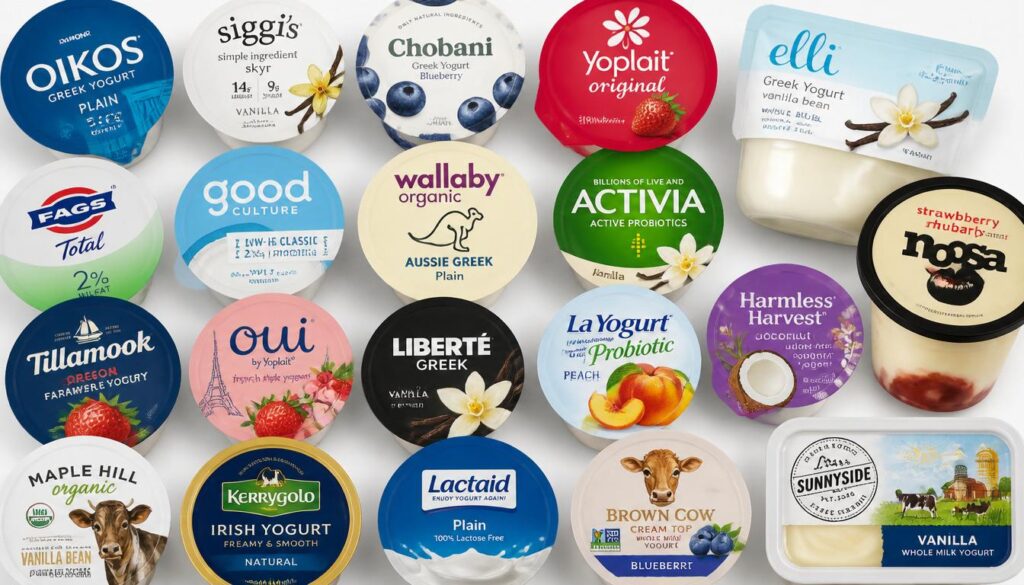
5. Yogurt Lids and Dairy Packaging Market
Every time you peel the lid off a yogurt cup, a tub of butter, or a container of cream cheese, you are interacting with high-performance aluminum foil packaging.
The dairy packaging market operates under rigid food safety requirements and requires specialized heat-sealing technology. The foil must be laminated with a plastic layer (like PP or PS) that matches the material of the cup to form a perfect, airtight seal when heated on an industrial bottling line.
Printing Capabilities: This niche requires advanced multi-color rotogravure or flexographic printing equipment because dairy brands use these lids for their primary brand logos and nutritional facts.
Stability: Dairy consumption is a daily global habit, making yogurt lid production one of the most stable, high-volume packaging businesses you can enter.
6. Airline Catering Packaging
Aviation catering operates under incredibly rigid operational and space-restricted environments, making aluminum food containers an indispensable standard for in-flight meals across the globe. Because commercial airlines serve millions of passengers daily, this sector provides factories with a steady, high-volume demand that is completely insulated from local restaurant trends.
Heat Resistance & Food Safety: These containers must withstand rapid reheating in specialized high-temperature ovens while serving as a completely non-toxic, hygienic barrier that meets strict international food safety standards.

Why Niche Aluminum Foil Markets Matter?
In actual packaging businesses, diversification is your ultimate shield against market volatility. If your entire factory only focuses on manufacturing the exact same standard aluminum container that ten other local factories make, you are forced to compete purely on low prices.
Shifting some of your production capacity toward niche aluminum foil applications offers three major advantages:
Less Competition: Fewer factories possess the precise molds or specialized slitting equipment required for products like embossed hair foil or dairy lids.
Stable Customers: B2B buyers in niche industries value long-term consistency and raw material quality over saving a fraction of a cent.
Better Profit Margins: Specialized products command higher margins because they solve specific functional problems for the end-user.
Ultimately, balancing your factory’s output with diversified products reduces market risk and ensures that even if one sector slows down, your other lines keep running.
What Investors Should Consider Before Entering a Niche Foil Market?
Before adjusting your business plan to target these hidden opportunities, there are several industrial factors to evaluate:
- Machinery Requirements: While a standard aluminum foil container machine can handle pet food trays and airline containers with the right mould, items like hair foil or hookah foil require specialized equipment like high-speed foil sheet making and rewinding machines.
- Mold Customization: Molds for tiny pet food trays or multi-compartment airline dishes require incredibly tight tolerances. Investing in a premium foil container mold ensures your product edges are smooth and sealing surfaces are perfectly flat.
- Raw Material Thickness: Niche products use widely different gauges. Hookah foils and heavy BBQ pans require a much thicker aluminum foil raw material compared to standard kitchen foil or thin takeaway containers.
- Product Certifications: If you plan to export dairy lids, airline trays, or pet food containers to markets like the US or Europe, your facility and raw materials must hold strict food-contact safety certifications.
Conclusion
The global market for aluminum foil products is far deeper than just the standard square containers used by your local restaurant. While mainstream food packaging will always provide reliable baseline volume, the true hidden gems of the industry belong to manufacturers who venture into specialized niches like pet food packaging, salon foil sheets, and heat-sealable dairy lids.
For investors and manufacturers, diversifying into niche products can significantly improve your factory’s profitability. To learn how niche markets fit into a complete business plan, read our The Complete Guide to Starting an Aluminum Foil Container Manufacturing Business.