Finding a reliable supplier halfway across the world sounds exciting—until the first shipment arrives with substandard materials, missing parts, or the wrong specifications.
For many importers, wholesalers, and e-commerce sellers, international sourcing quickly turns from a growth strategy into a headache. Language barriers, time zone differences, unclear quality standards, and hidden factory costs eat up margins and delay products.
This is where a sourcing agent steps in.
A professional sourcing agent acts as your local eyes, ears, and negotiator. They turn chaos into process, helping you scale faster with fewer mistakes. In this article, we’ll walk through exactly how sourcing services work, where to find trustworthy partners, and why machinery projects demand a more specialized approach.
Main Content
- What is a sourcing agent?
- Types of Sourcing Agents?
- How to Choose the Right Sourcing Agent?
- Where Can You Find a Sourcing Agent?
- The Benefits of Working with a Sourcing Agent?
- The Risks of Working with a Sourcing Agent?
- Why Sourcing Agents Matter More in Machinery Projects?
What is a Sourcing Agent?
A sourcing agent is a professional or company that helps buyers find, evaluate, and manage suppliers on their behalf. Think of them as your dedicated supply chain partner in a manufacturing hub like China, Vietnam, or India.
Their main responsibilities include:
Identifying factories that match your product needs and quality standards
Verifying supplier credentials and production capacity
Negotiating pricing, payment terms, and lead times
Coordinating samples, inspections, and shipping logistics
Resolving production or quality issues before they reach you
For example, imagine you want to sell custom stainless steel water bottles. A sourcing agent doesn’t just find five factories on Alibaba. They visit each facility, check past export records, test sample quality, and negotiate a unit price that includes your packaging requirements. They then monitor the production line and arrange a pre-shipment inspection.
That’s the difference between guessing and knowing.
Types of Sourcing Agents
Not all sourcing services are the same. The right model depends on your order volume, product complexity, and budget.
Independent Freelance Sourcing Agents
These are individuals who typically work from major manufacturing regions.
Pros: Lower fees, personalized attention, flexible arrangements
Cons: Limited backup if they get sick or leave the industry; fewer formal contracts
Sourcing Companies
Established firms with teams of agents, quality controllers, and logistics coordinators.
Pros: Scalability, accountability, broader supplier networks
Cons: Higher minimum fees, less personal relationship with a single agent
Factory-Based Sourcing Representatives
Agents employed by a specific factory who also help buyers source other products.
Pros: Deep knowledge of their own production processes
Cons: Conflict of interest – they may push you toward their employer’s factory even when it’s not the best fit
Industry-Specialized Sourcing Agents
These agents focus on specific sectors such as electronics, textiles, or industrial machinery.
Specialization is critical for complex purchases. A generalist sourcing company might handle kitchen gadgets easily, but sourcing machinery from China requires understanding raw material tolerances, electrical certifications, spare parts availability, and on-site acceptance tests. An agent who only sources apparel won’t know how to verify a strapping machine’s cycle speed or an aluminum foil container production line’s output consistency.
How to Choose the Right Sourcing Agent?
How to Choose the Right Sourcing Agent?
Selecting a sourcing partner is a business decision, not an online shopping task. Here is a practical checklist:
Industry experience: Have they sourced similar products to your target markets?
Supplier network: Do they work with factories that hold relevant certifications (ISO, BSCI, FDA)?
Communication skills: Can they explain technical issues clearly in your language?
Fee transparency: Do they charge a fixed percentage, hourly rate, or per-project fee?
Quality control capabilities: Do they perform in-process and pre-shipment inspections?
References and case studies: Can they share contact details of past clients?
Local presence: Are they based near major manufacturing clusters like Guangdong or Zhejiang?
Red flags include agents who guarantee impossibly low prices, refuse factory visits, or cannot provide a signed service agreement.
Where Can You Find a Sourcing Agent?
You can find reputable agents through several channels:
Google search using specific terms like “medical device sourcing agent” or “machinery procurement services”
LinkedIn – search for supply chain consultants with verified recommendations
Trade shows such as Canton Fair or industry-specific expos in Shanghai
Industry associations like the Chartered Institute of Procurement & Supply
Referrals from other importers in your network
B2B platforms – but always verify shortlisted agents independently
Before hiring, run a paid trial with a small order. See how they handle sample follow-up, quality issues, and unexpected delays. Trust is earned, not claimed.
The Benefits of Working with a Sourcing Agent
A skilled sourcing agent delivers measurable advantages:
Access to reliable suppliers: They know which factories consistently deliver on time and which cut corners.
Time savings: Instead of vetting 100 suppliers online, you get a shortlist of three pre-qualified options.
Better pricing: Local agents negotiate in the local language and understand real manufacturing costs.
Reduced sourcing risks: They catch quality problems before production runs.
Improved supply chain management: They coordinate deposits, milestone payments, and shipping documents.
Faster problem solving: When a defect appears, your agent visits the factory that day – not next month.
Consider a real-world example: An Australian startup wanted to source eco-friendly lunch boxes. Their first direct factory order arrived with the wrong silicone color and a strong chemical smell. After hiring a China sourcing agent, the new supplier passed material tests, provided full traceability, and cut lead times by three weeks.
The Risks of Working with a Sourcing Agent
Honesty matters. Sourcing agents are not perfect, and some risks exist:
Lack of transparency – Agents may hide factory commissions or mark up logistics fees
Hidden commissions – Some agents add a surcharge to factory quotes without telling you
Poor supplier selection – Inexperienced agents may recommend friends or family-owned workshops
Communication issues – Even English-speaking agents may miss nuance in technical drawings
Limited industry expertise – A generalist agent may damage complex machinery projects
Minimize these risks by: insisting on factory original quotes, paying agents separately from factory payments, visiting key suppliers yourself once per year, and starting with smaller test orders.
Why Sourcing Agents Matter More in Machinery Projects?
Sourcing a smartphone case is not the same as sourcing machinery from China. Industrial equipment involves higher stakes, technical complexity, and long-term reliability concerns.
Here is what a specialized sourcing agent brings to machinery projects that consumer goods agents often miss:
Technical specification validation: They compare motor power, voltage compatibility, control system logic, and safety guards against your requirements.
Factory audits for machinery makers: They check if the factory has proper machining tools, testing benches, and trained assembly technicians.
Production monitoring: They track whether castings, welds, and electronic components meet your drawings.
Acceptance testing: They witness machine run-offs, measure cycle times, and confirm safety interlocks work.
Spare parts planning: They help negotiate minimum spare parts kits and ensure documentation includes part numbers and suppliers.
Installation support coordination: Some agents arrange for a technician to travel to your site or provide remote commissioning.
After-sales service follow-up: When a machine jams or a carton sealer misaligns, the agent holds the factory accountable for warranty support.
Take an aluminum foil container production line as an example. A general sourcing agent might only check if the machine turns on. A specialized machinery sourcing agent will verify the forming die precision, lubrication system reliability, foil feeding tension control, and stacker alignment. They will also confirm that the factory provides electrical schematics and a spare parts list.
For packaging equipment, forklifts, strapping machines, carton sealing machines, and automation systems, the cost of a mistake is not a few hundred dollars—it can be weeks of downtime, missed customer orders, and expensive rework. In these situations, a knowledgeable sourcing partner is not an expense. They are insurance.
International sourcing is one of the most powerful ways to grow your business—but only if you manage the risks effectively.
A professional sourcing agent does far more than find factories. They verify quality, negotiate fairly, monitor production, and solve problems before they reach your warehouse. Whether you are an e-commerce seller launching a new line or a manufacturer expanding into machinery, the right sourcing partner saves time, protects margins, and gives you peace of mind.
Before your next sourcing project, invest the time to find an agent with proven experience in your product category. The upfront effort will pay back many times over in smoother supply chains and repeat customers.
Frequently Asked Questions (FAQ)
What does a sourcing agent do?
A sourcing agent identifies reliable suppliers, negotiates prices, verifies product quality, inspects production, and coordinates shipping. They act as your local representative in the manufacturing country.
How much does a sourcing agent charge?
Most charge 5% to 10% of the order value, fixed monthly retainers, or hourly rates ranging from $20 to $100. Some sourcing companies charge per project. Always clarify the fee structure before signing any agreement.
Is it better to use a sourcing agent or buy directly from factories?
Direct buying works well for small, simple products when you already know trustworthy factories. For complex items, new supplier relationships, or supply chain management across multiple orders, a sourcing agent typically saves more money in prevented defects than their fee costs.
Can sourcing agents help with quality inspections?
Yes. Most professional sourcing services include in-process inspections, pre-shipment checks, and container loading supervision. Some also coordinate third-party lab testing for materials or safety compliance.
How do I find a trustworthy sourcing agent in China?
Use referrals from other importers, check LinkedIn for verified work history, request recent client references, and run a paid trial order. Avoid agents who refuse to sign a contract or provide a detailed scope of work.
Are sourcing agents useful for machinery projects?
Absolutely. Sourcing machinery from China requires technical knowledge, factory audits for industrial equipment, acceptance testing, and after-sales coordination. A generalist agent is rarely qualified for this. Choose an agent with specific machinery experience.
What are the risks of using a sourcing agent?
The main risks include hidden commissions, poor supplier selection, communication gaps, and lack of industry expertise. You can reduce these risks by verifying references, reviewing factory original quotes, and starting with small test orders before scaling up.
Share:
Related Posts
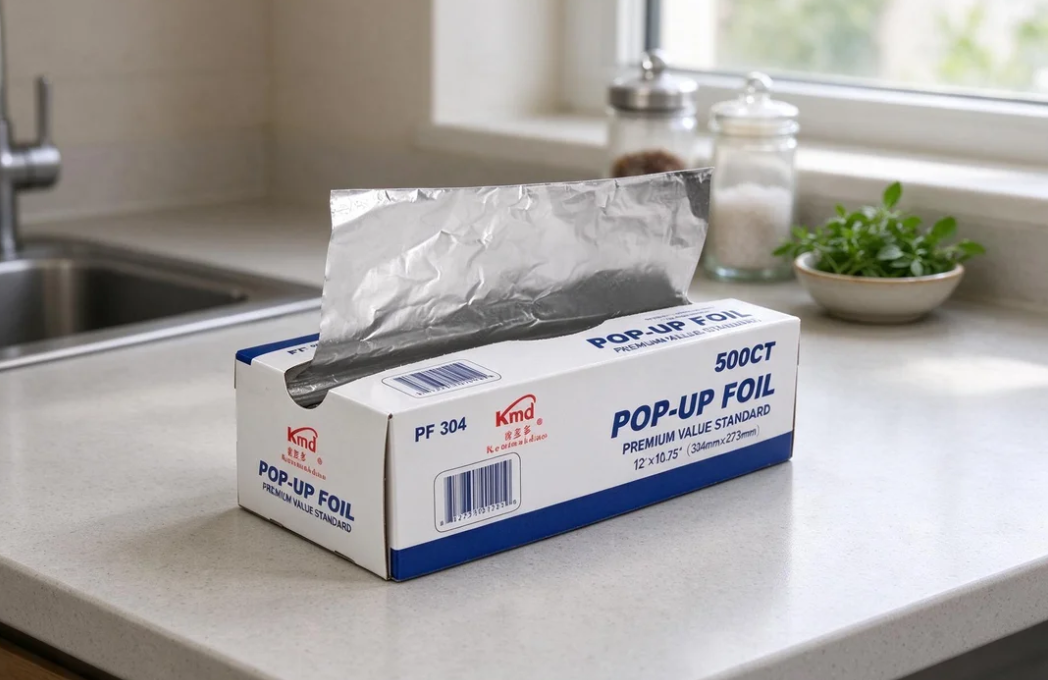
Common Specs of Interfolded Aluminum Foil Sheets: Length, Width, Folding Types & Pattern
Interfolded Aluminum foil sheets are widely used in food-service, household, catering, takeaway, and packaging applications where pre-cut and folded foil sheets offer a convenient alternative

Aluminum Foil Sheet vs Foil Roll: Which One Is Right for Your Production
When sourcing aluminum foil, buyers often need to choose between aluminum foil sheets and aluminum foil rolls. Although both use aluminum foil as the basic
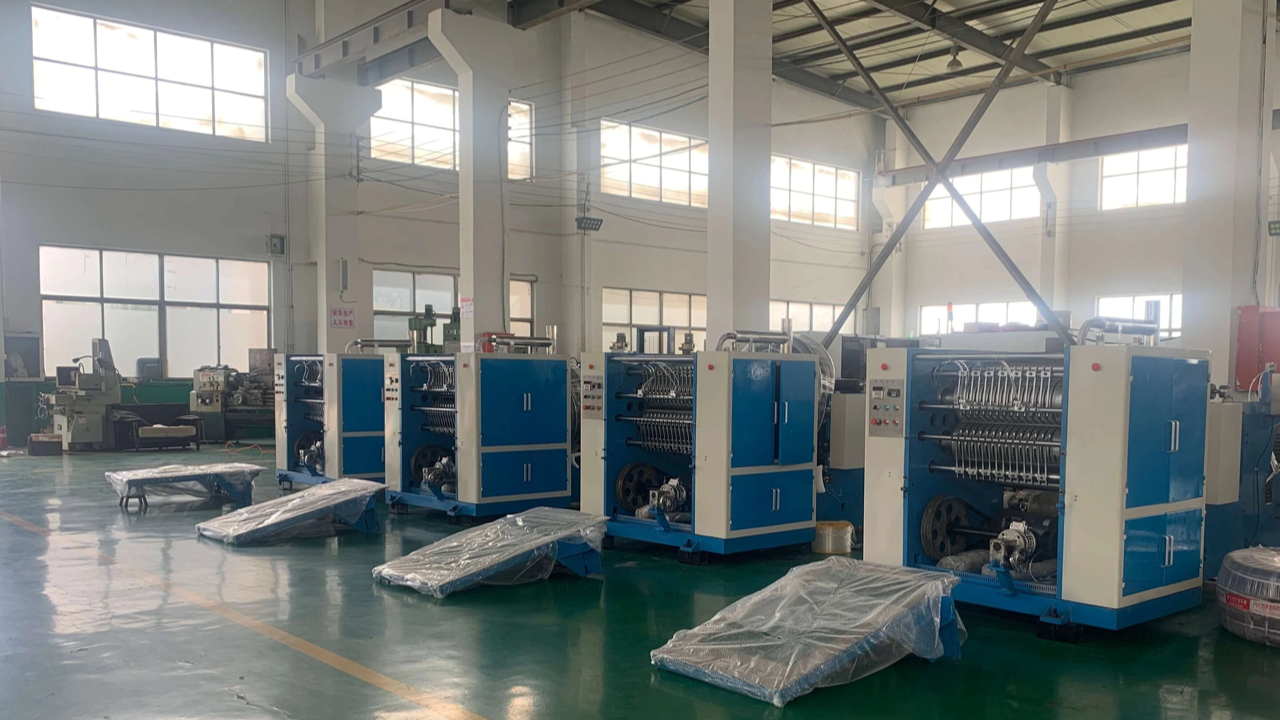
How to Make Aluminum Foil Interleaving Sheets – Machine and Production Guide
Starting an aluminum foil interleaving sheet production line can be a practical opportunity for manufacturers and distributors supplying foodservice, restaurants, bakeries, catering companies, and household

Household Aluminum Foil Seasonal Demand: BBQ, Thanksgiving & Holiday Trends
Household aluminum foil is a year-round product, but demand is not always the same throughout the year. Cooking habits, outdoor grilling, major holidays, retail promotions,