The global food delivery and catering markets are expanding at an unprecedented rate. For food packaging distributors, restaurant owners, and packaging wholesalers, choosing the right material isn’t just about finding something to hold food,
it directly impacts food quality, brand reputation, and profit margins. Today, the debate almost always comes down to two dominant materials: aluminum and plastic.
From what we’ve seen in the food packaging market, the decision is no longer based strictly on which option is the cheapest upfront. Stricter environmental laws, shifting consumer preferences, and the practical demands of high-temperature food delivery have completely changed the playing field.
In this article, we’ll take a practical, factory-floor look at how these two materials compare, where each one excels, and which option is right for your business.
Aluminum Foil Food Containers VS Plastic Containers
What Are Aluminum Foil Food Containers?
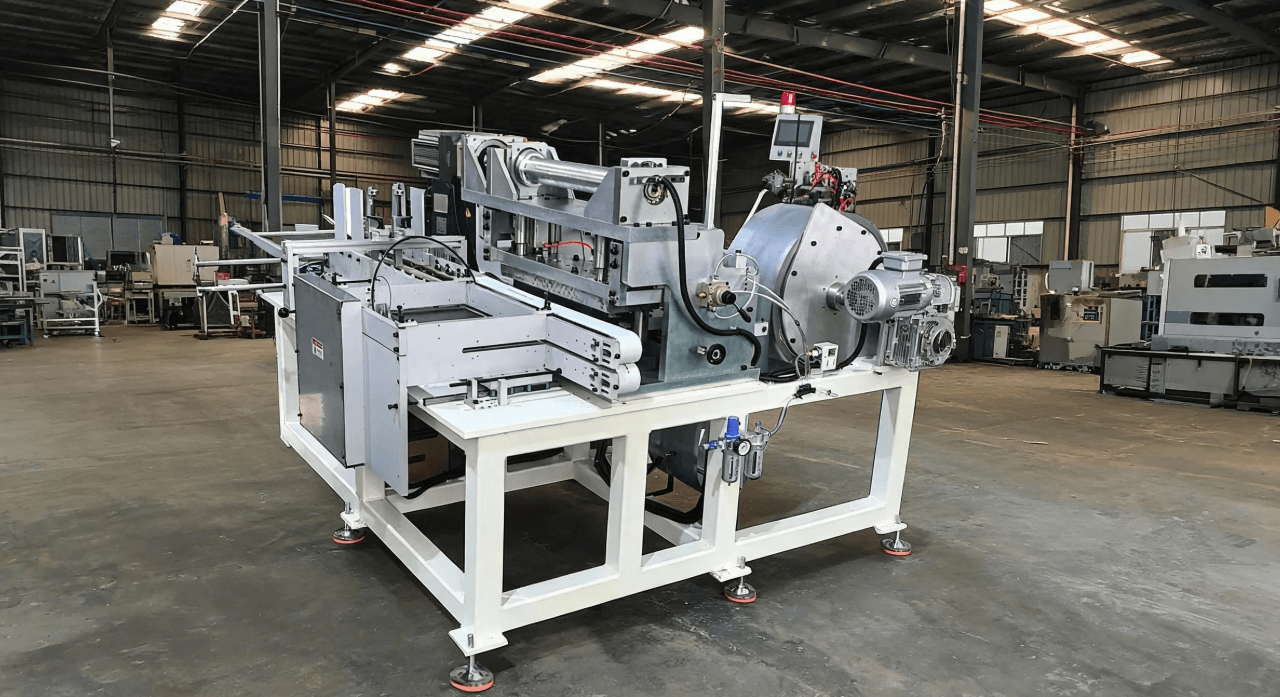
Made from high-purity aluminum foil, these containers are used in commercial kitchens, bakeries, and industrial food processing plants. They are manufactured using high-speed punching machine with precision molds,it can be shaped into different foil containers like muffin container,round container,rectangle container and compartment container.
Key Characteristics:
- Applications: Widely used for takeaway food packaging, airline catering, bakery goods, and frozen ready-meals.
- Lidding Options: Can be easily paired with clear plastic dome lids, foil-faced paper board lids, or heat-sealed aluminum foil lids or aluminum foil lids.
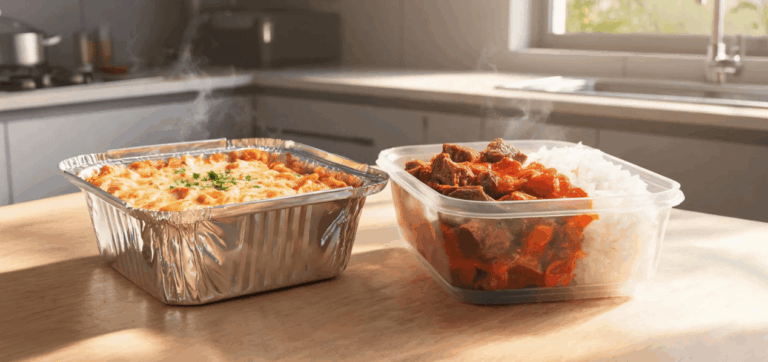
Aluminum handles extreme temperatures effortlessly. An aluminum food container can go directly from a deep-freeze warehouse into a high-temperature commercial oven or air fryer without melting, warping, or releasing toxic fumes. This makes it the undisputed choice for hot, greasy dishes like pasta bakes, roasted meats, and barbecued food.
What Are Plastic Food Containers?
Plastic food containers dominate the fast-food and grocery sectors. They are typically made via injection molding or thermoforming using plastics like Polypropylene (PP) or Polyethylene Terephthalate (PET).
Key Characteristics:
- Applications: Commonly used for cold deli items, salads, dips, and low-cost fast-food takeaway.
- Material Types: PP is microwave-safe and handles moderate heat, while PET is crystal clear but melts easily under high heat.
Plastic has strict thermal limitations. While PP containers are technically microwave-safe, they cannot be used in conventional baking ovens. If the food is too hot—such as boiling soup or fresh-off-the-grill meat—plastic containers may deform under high heat, which compromises the lid seal and increases the risk of accidental spills during delivery.
Cost Comparison: Initial vs. Long-Term Value
When evaluating aluminum foil containers vs plastic containers, the budget discussion requires looking past the initial invoice.
Initial Cost: Plastic containers are almost always cheaper to purchase in bulk. The raw material cost of plastic resins is lower, and high-volume injection molding keeps production costs down.
Long-Term Value: While aluminum raw material prices fluctuate on the global market, aluminum foil packaging allows businesses to position their products as a premium, oven-ready option. This premium perception allows restaurants and catering companies to justify a higher menu price, easily offsetting the minor difference in packaging cost.
Which Packaging Is Better for Takeaway and Food Delivery?
In many takeaway businesses, the ideal choice depends on the specific regional market demands.
When to Choose Aluminum:
For hot meals, curries, stews, and baked dishes, aluminum is far superior. It retains heat well during transit, keeps the oil from soaking through the packaging, and allows the end consumer to easily reheat the entire meal in their home oven or air fryer.
When to Choose Plastic:
For cold foods, salads, sushi, and desserts, plastic remains highly popular. Its transparency allows customers to see the freshness of the ingredients directly through the container, which drives impulse buys in supermarket.
If you are a packaging distributor or factory investor looking into entering the aluminum foil container business, the choice comes down to balancing your target market’s needs:
- Choose Aluminum if your clients focus on hot food delivery, catering, baking, or operate in regions with strict single-use plastic bans.
- Choose Plastic if you are catering purely to the low-cost, cold food, or grab-and-go snack markets where visual transparency is necessary.
Why Many Food Businesses Are Switching to Aluminum Packaging?
We are seeing a major shift in the food packaging containers sector, with a growing number of mid-to-high-end food brands completely abandoning plastic in favor of aluminum.
Elevated Brand Presentation: A clean, sturdy aluminum container looks more professional and high-end than a cheap plastic tub.
The Air Fryer Boom: Modern consumers love convenience. Because aluminum foil trays fit perfectly inside home air fryers and ovens, food brands can sell pre-packaged, ready-to-cook meals directly to consumers.
Meeting Sustainability Metrics: Large corporate catering clients and university campuses now demand eco friendly food packaging. Offering aluminum containers helps distributors secure these lucrative, large-scale contracts.
Both aluminum and plastic have their clear places in the global supply chain, but the momentum is undeniable. As environmental regulations tighten and consumers continue to demand safer, more convenient ways to reheat their delivery meals, aluminum foil is capturing a massive share of the market.
In actual food packaging projects, choosing the right packaging solution often depends on balancing cost, performance, and customer expectations. Investing in the right materials today ensures your food business remains compliant, profitable, and aligned with global market trends.
Share:
Related Posts

What Determines Aluminum Foil Container Scrap Rate? A Practical Guide for Manufacturers
When investors compare aluminum foil container production lines, the conversation almost always turns to scrap rate. It makes sense. Aluminum foil is your primary raw material.

What Should You Know About The Aluminum Foil Container Machine Price Before Investing
Walk into any supermarket today, and you’ll see them everywhere—those shiny aluminum foil containers holding takeout meals, bakery items, frozen foods, and catering portions. The

What you should consider when you buy aluminum foil container making machine?
The global demand for aluminum foil food packaging continues growing quickly, especially in takeaway, catering, and ready-meal industries. Because of this, more investors are entering

Top Uses of Aluminum Foil Containers for Food Businesses: Market Insights & Applications
If you walk into any commercial kitchen, supermarket, or food packaging warehouse today, you will see stack upon stack of silver trays. The global food

Profitable Niche Markets for Aluminum Foil Packaging Products Beyond Food Trays
When most investors think about launching a foil packaging business, their minds immediately go to standard takeaway boxes or standard kitchen rolls. It makes sense