
When people invest in an aluminum foil container project, most of their attention goes to machinery, raw materials, and production costs. However, from what we’ve seen in many foil container factories, the mold often plays a much bigger role than expected.
A well-designed aluminum foil container mold can help improve product quality, reduce production costs, increase container loading quantity, and even boost product sales. On the other hand, a poorly planned mold may create long-term problems that are expensive to fix later.
Before manufacturing a new mold, there are several important factors every investor and packaging company should carefully evaluate.
Major Topic:
- Confirm Product Dimensions Carefully
- Consider Rim Design and Container Loading Quantity
- Confirm Lid Compatibility Before Making the Mold
- Verify Bottom Strength and Pattern Design
- Research Market Thickness Standards
- Understand the Scrap Rate (Material Utilization)
- Request Drawings for Wear Parts (Maintenance Planning)
- Confirm Raw Material Width Requirements
- Understand How to Improve Product Strength
- Logo Position: Inside vs. Outside
- Frequently Asked Questions
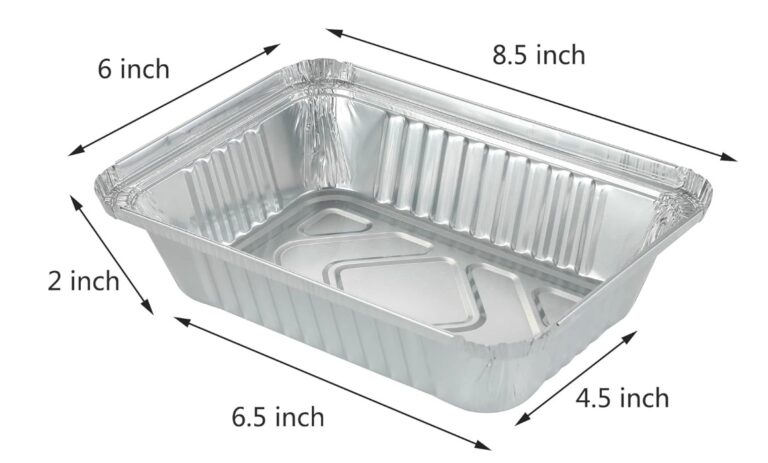
1. Confirm Product Dimensions Carefully
Many buyers want to reduce the container height or modify dimensions slightly to save raw material costs,especially the height affect a lot.
For example, some customers choose a lower container height to reduce aluminum consumption. However, once the product is displayed on supermarket shelves next to competing products, the difference becomes obvious.
Consumers often compare products visually. If your container appears significantly smaller than similar products, it may negatively affect sales even if the actual volume difference is small.
Before finalizing product dimensions, it is always recommended to study existing best-selling products in your target market.
2. Consider Rim Design and Container Loading Quantity
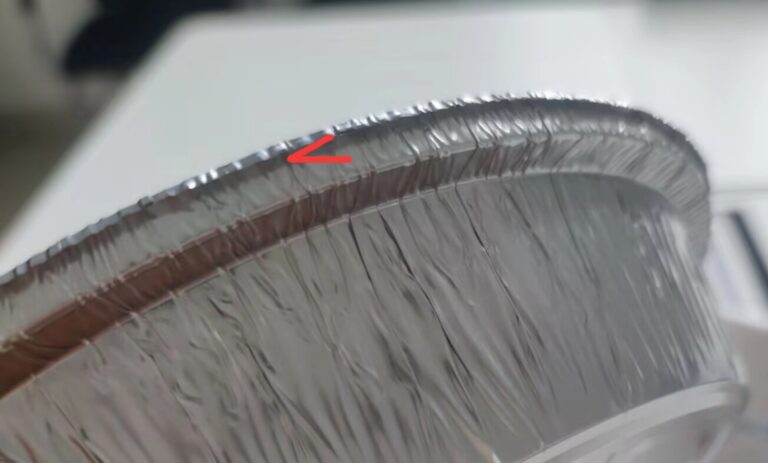
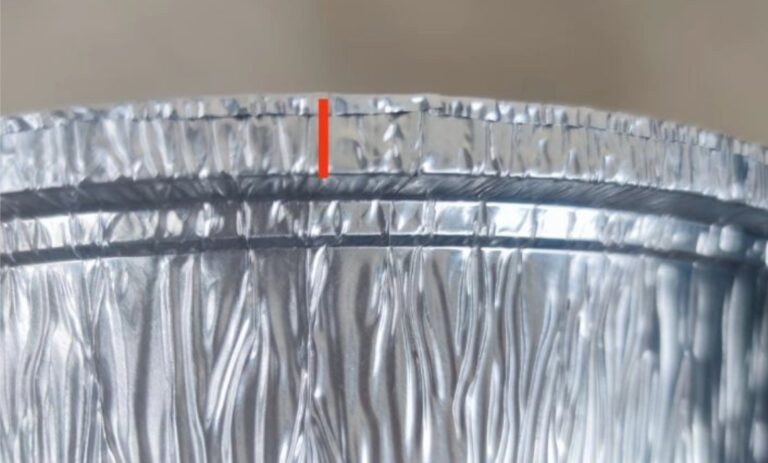
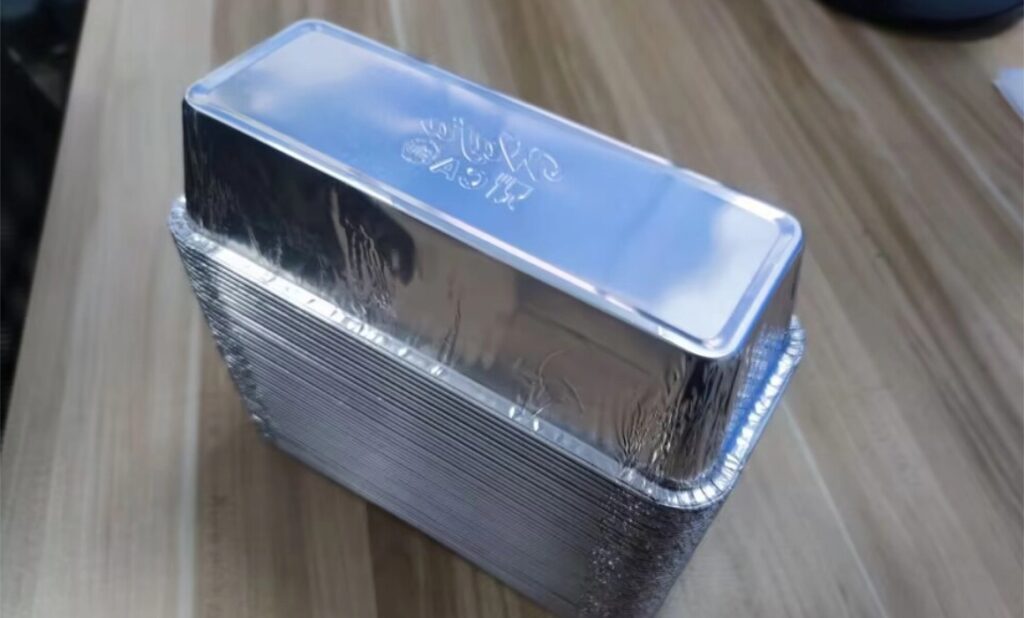
The rim determines how the lid seals, how the container feels in hand, and most importantly—how many units fit in a shipping carton.
Look at round trays. You will generally see two styles:
I-Rim (Straight): Looks premium, but stacks inefficiently.
V-Rim (Tapered): Allows the bottom of one container to nest deeper into the one below it.
For a foil container factory shipping overseas, the V-rim is often superior. Because the containers nest tighter, you can pack 1,200 units into a carton versus 800 units of an I-rim design. When you multiply that by 2,000 cartons for a shipping container, the V-rim saves you real money on ocean freight.
Before mold development, calculate your “packing density.” How many foil trays fit in a standard 40ft container with your current rim design?
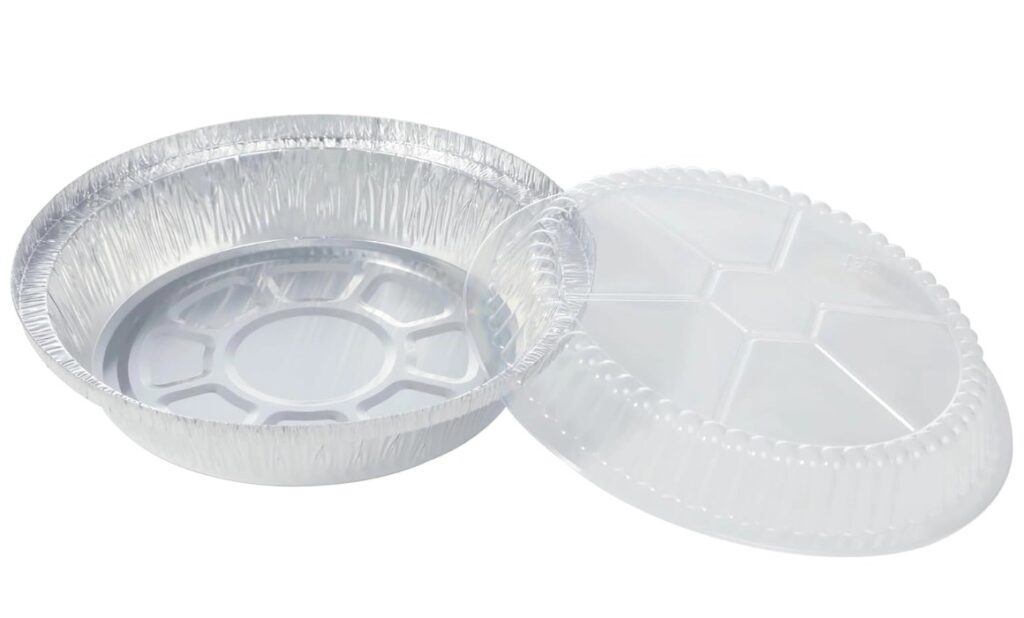
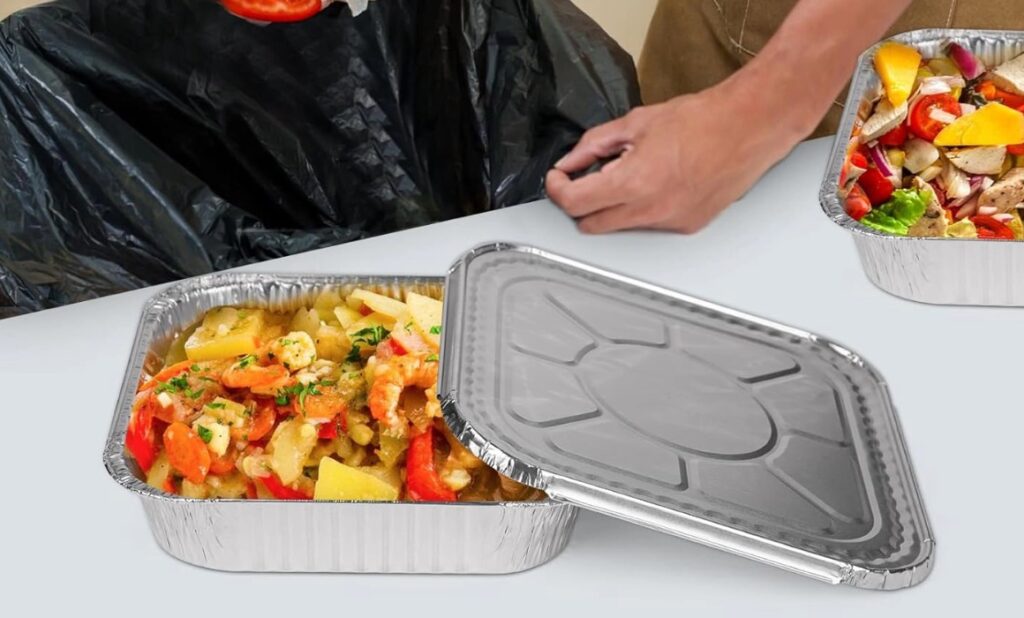
3. Confirm Lid Compatibility Before Making the Mold
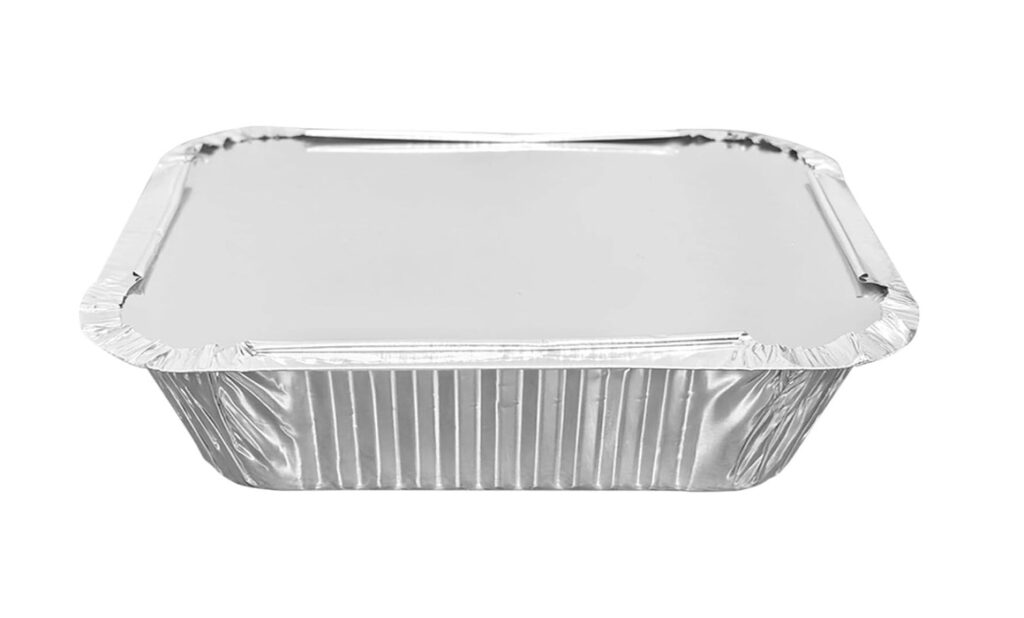
This is the most common and expensive mistake new investors make. They design the foil container mold in isolation, and then search for a lid.
It rarely works perfectly.
Whether you are using plastic dome lids, paperboard lids, or foil lids, the lid’s locking mechanism must match the container’s the rolled edge. A mismatch of 1mm can cause:
Loose sealing: The lid falls off easily.
Pressure cracks: The lid is too tight and shatters.
Steam leakage: For hot food containers, steam escapes, ruining the cooking process.
The Golden Rule: Source your lid samples first. Send those physical lids to your foil container mold manufacturer before the engineer draws a single line of the CAD file.
4. Verify Bottom Strength and Pattern Design
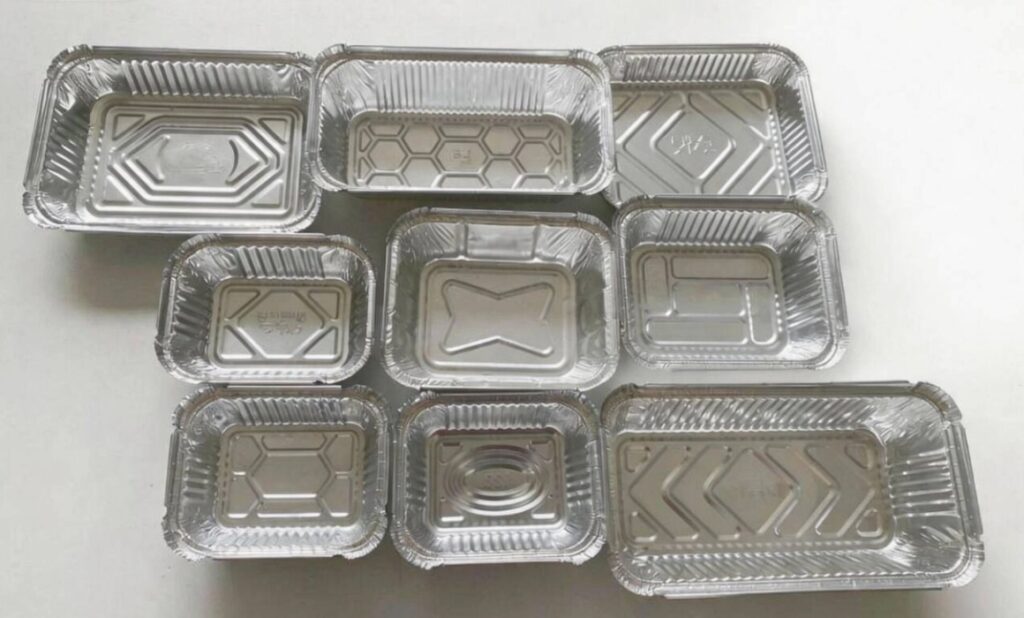
The bottom embossing pattern is not just decorative.It plays an important role in determining product strength.
Different patterns provide different levels of rigidity and load-bearing capacity.
When designing a foil container, consider:
- Product weight
- Intended food application
Symmetrical embossing designs generally provide more balanced strength distribution and better overall performance.
An uneven or poorly designed bottom pattern may cause deformation during transportation or storage.
5. Research Market Thickness Standards
Before designing a new container, study similar products already selling successfully in your target market.
Pay attention to:
- Foil thickness
- Product weight
- Carton specifications
- Market positioning
Some investors mistakenly believe that thicker products automatically create a competitive advantage.In reality, thicker foil means higher raw material costs.
At the same time, products that are too thin may fail to meet customer expectations.The goal is to match market standards while maintaining a reasonable production cost.
Good mold design should always be based on actual market demand rather than assumptions.
6. Understand the Scrap Rate (Material Utilization)
Scrap rate is one of the most important factors affecting profitability.Many buyers focus on machine price but ignore material utilization.In foil container production, scrap rate is determined primarily by product design rather than machinery.
Several factors influence scrap rate:
- Container shape
- Container size
- Rim style
- Curl diameter
- Mold layout
- Cavity arrangement
For example:
- Square containers generally have lower scrap rates.
- Round containers usually generate more waste material.
- Smaller containers often produce higher scrap rates than larger containers.
Before approving a new mold design, compare the scrap rates of similar products already available in the market.
For a deeper explanation, see our article on What Factors Determine Scrap Rate in Aluminum Foil Containers?
7. Request Drawings for Wear Parts (Maintenance Planning)
Every mold contains wear components that eventually require replacement.
Common wear parts include:
- Cutting plates
- Punches and dies
- Springs
- Pneumatic accessories
Many buyers only request the finished mold and forget about future maintenance.We strongly recommend asking the mold supplier to provide:
- 2D drawings
- 3D drawings
- Spare part specifications
Before payment, demand 3D step files and 2D drawings of all wear parts. These files become extremely valuable if repairs are needed several years later.
Store these locally. This allows you to hire a local machine shop to fabricate replacements overnight, reducing downtime by 90%.
8. Confirm Raw Material Width Requirements
Material width directly affects production efficiency and foil utilization.
Different mold designs may require different coil widths even when producing containers with similar dimensions.
Factors affecting material width include:
- Container dimensions
- Rim structure
- Number of cavities
- Mold layout
- Edge allowances
Understanding industry-standard material widths before mold production can help optimize future raw material purchases.
This is often overlooked by new investors but can have a significant impact on long-term operating costs.
9. Understand How to Improve Product Strength
Increasing product strength does not always require thicker foil.In many cases, strength can be improved through smart mold design.
Common reinforcement methods include:
Adding a Step Structure
A small step near the sidewall increases rigidity without adding extra material.
Adding Reinforcement Lines
Internal ribs or lines can improve structural stability.
Increasing Sidewall Lines
Additional sidewall line features help resist deformation.
Widening the Rim Area
A wider rim improves overall strength and handling performance.
In most cases, using one properly selected reinforcement method is enough.Over-designing the container may increase production costs unnecessarily.
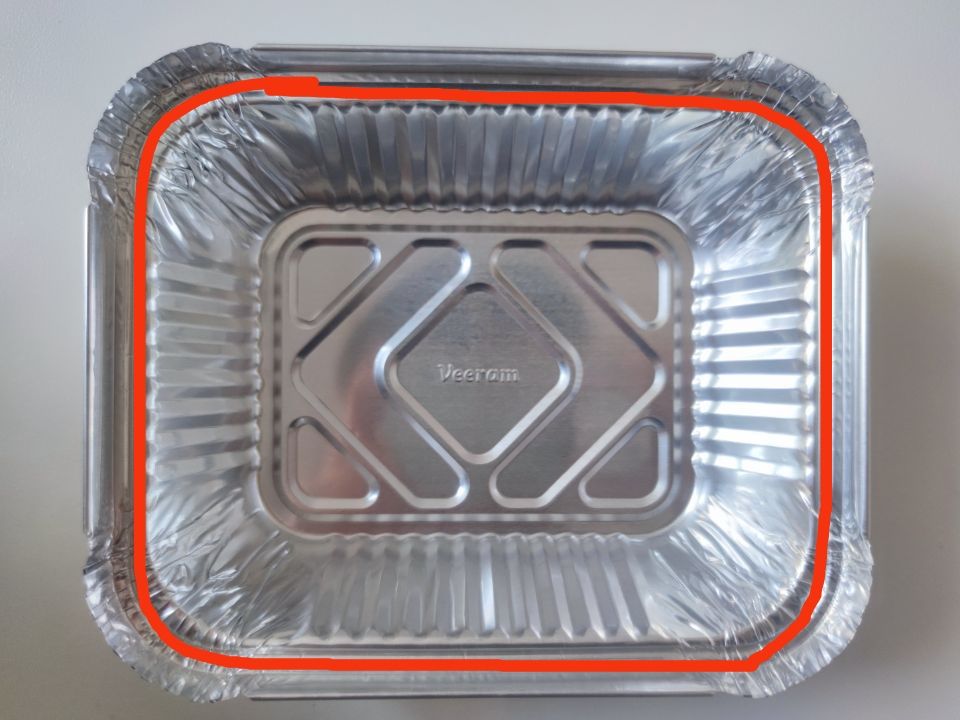
Increasing circle line
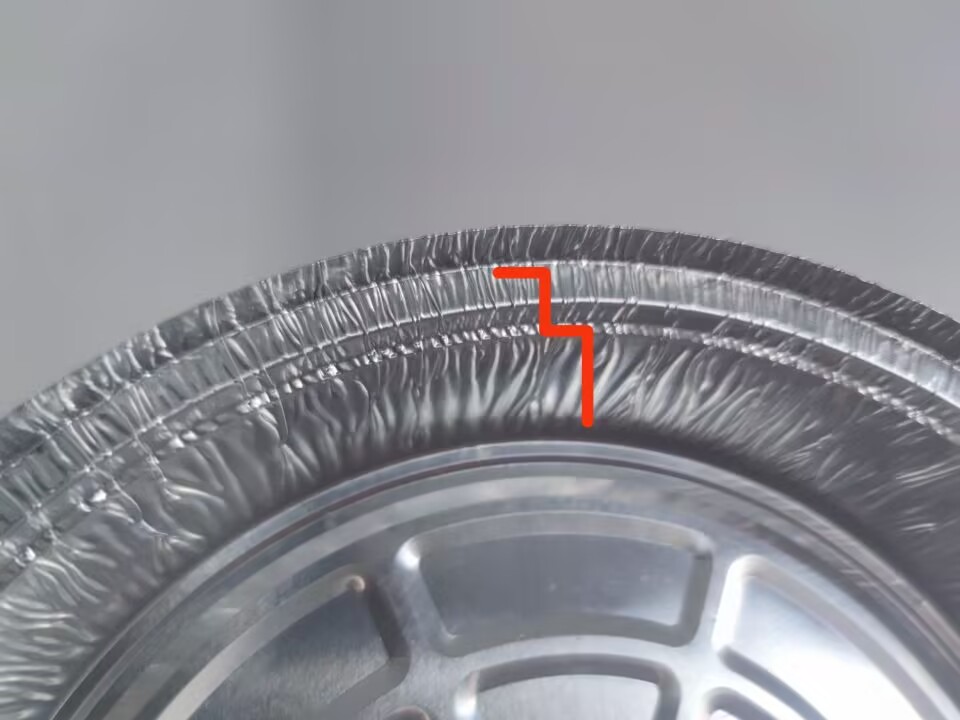
Add stepper around the edge
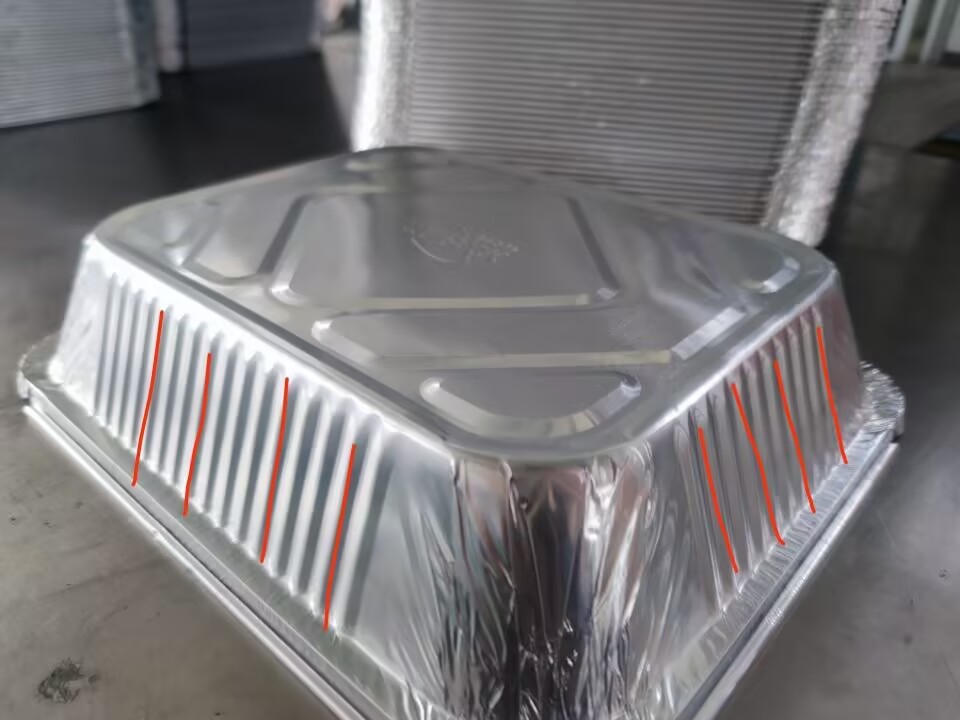
Increasing sidewall lines
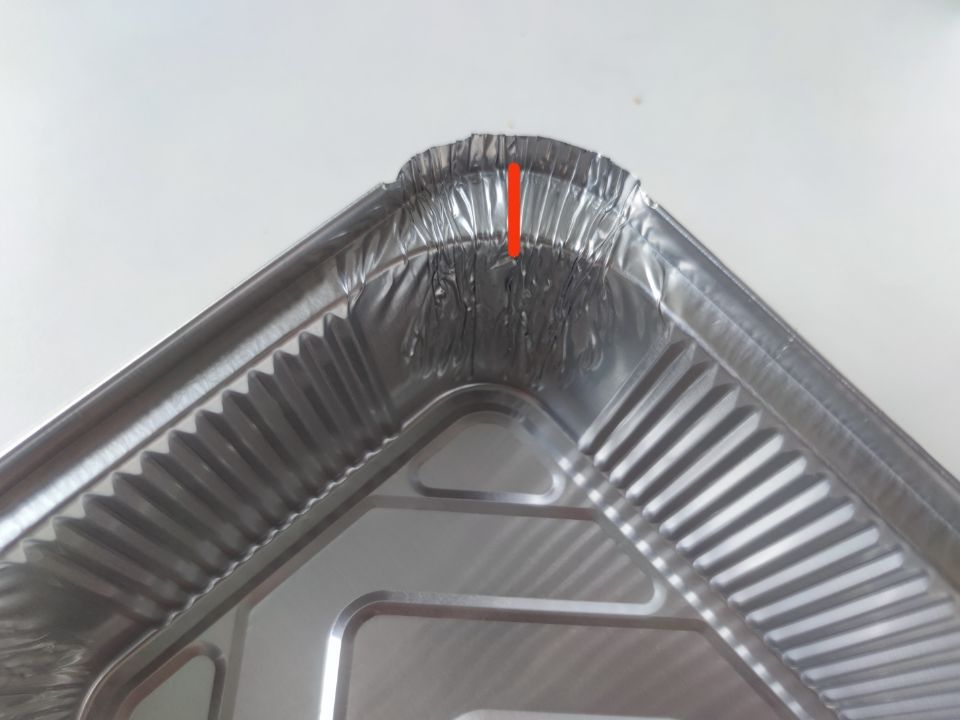
Widen the rim area
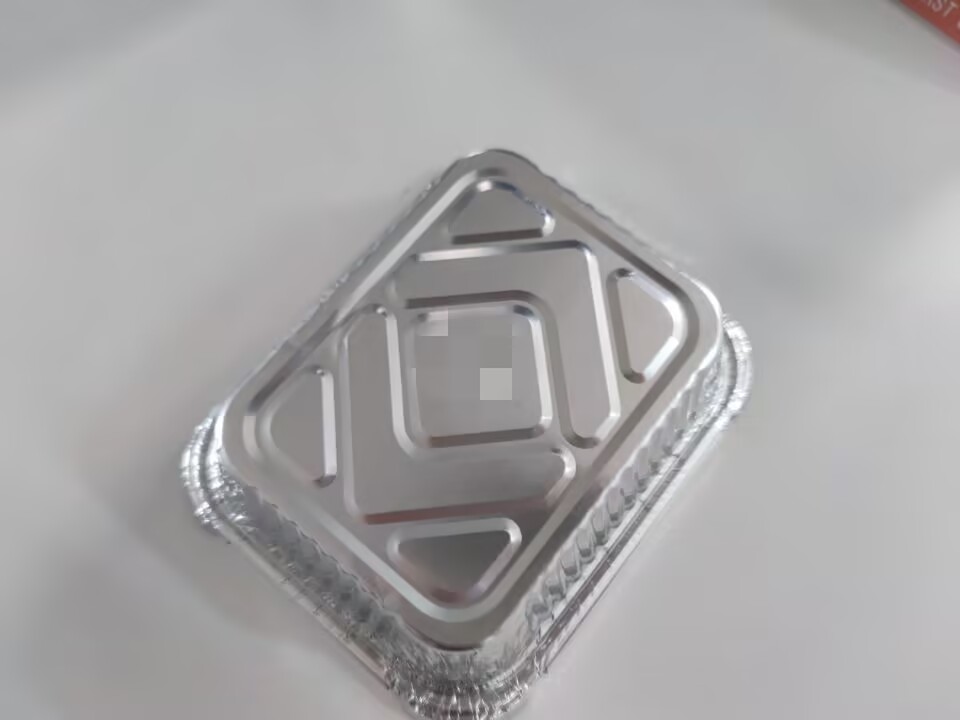
Add more lines on the bottom
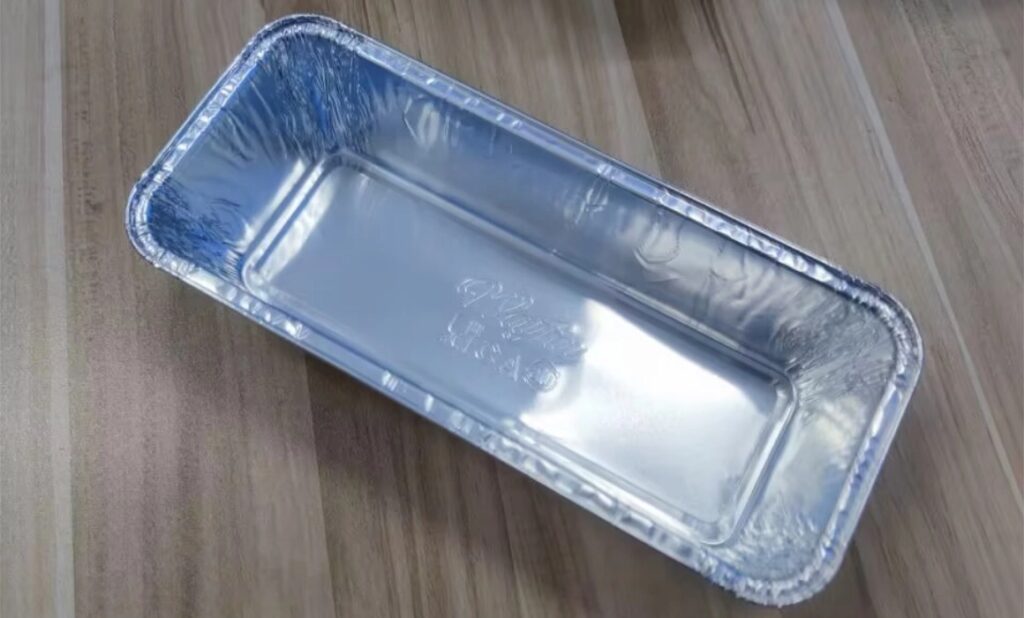
10. Logo Position: Inside vs. Outside
Many companies underestimate the importance of logo placement.
Once the mold is manufactured, modifying logo locations can be expensive.
The logo can generally be placed:
- Inside the container
- Outside the container
Most products currently available on the market place the logo inside the food contact area.
Before making a decision, consider:
- Brand visibility
- Customer preference
- Product appearance
- Market expectations
The logo should be finalized during the design stage to avoid future modifications.
Conclusion
An aluminum foil container mold is much more than a production tool.
Its design directly affects:
- Product appearance
- Customer acceptance
- Material consumption
- Shipping efficiency
- Production stability
- Long-term profitability
Before manufacturing a new mold, make sure you carefully evaluate dimensions, lid compatibility, product strength, scrap rate, material width, and future maintenance requirements.
For companies developing new aluminum foil container products, selecting the right mold affects production quality, efficiency, and operating costs. To understand how mold selection fits into your overall factory investment, explore our The Complete Guide to Starting an Aluminum Foil Container Manufacturing Business.
FAQ Section
How long does it take to manufacture an aluminum foil container mold?
Most molds require 45–90 days depending on complexity and cavity quantity.
What affects aluminum foil container mold cost?
Mold size, cavity number, design complexity, material selection all affect cost.
Why is lid compatibility important?
Poor lid matching can cause sealing problems, customer complaints, and additional mold modification costs.
What is a good scrap rate for foil containers?
It depends on product shape and size. Square containers generally have lower scrap rates than round containers.
How can I improve container strength?
You can use reinforcement lines, step structures, wider rims, or optimized embossing patterns.
Should I request 3D drawings from the supplier?
Yes. 3D drawings make future maintenance and spare part replacement much easier.
Can one mold use different foil thicknesses?
In some cases, yes. However, mold performance should always be tested with the intended foil specification.
How often do mold wear parts need replacement?
It depends on production volume, maintenance quality, and mold design. High-use molds may require replacement of cutting plates and dies after several years of continuous operation.